

Are Mini Power Banks Safe to Use? What You Should Know

Thinking about buying a mini power bank, but feeling unsure about the safety? That hesitation is completely normal.
Because a mini power bank is small, it’s easy to wonder whether that compact size makes it more risky. Can it overheat? Is it safe in your bag? What about on a flight?
The truth is, a well-designed mini portable charger is built with multiple safety layers. When properly manufactured and used correctly, it is made to control heat, manage power flow, and protect both your phone and itself.
In this guide, we’ll walk through how safety actually works, what real risks exist, and how to confidently choose a mini portable charger that fits your daily needs.
In this blog:
- Understanding How a Mini Power Bank Works
- Why Safety Concerns Around Mini Portable Chargers Are Common
- What Makes a Mini Power Bank Safe?
- Comparing Our Top Pick for Mini Power Banks and Their Safety Features
- Common Misunderstandings About Mini Power Banks
- Quick Reminder: How to Use a Mini Portable Charger Safely
- Frequently Asked Questions
- So, Are Mini Power Banks Safe to Use?
Let’s get started!
Understanding How a Mini Power Bank Works
To understand safety, it helps to know what’s happening inside.
A mini power bank stores energy using lithium-ion or lithium-polymer battery cells. These are the same types of batteries used in smartphones and laptops. They’re compact and efficient, which makes them ideal for portable charging.
Because lithium batteries store a high amount of energy in a small space, they must be carefully regulated. Without proper control, excess heat can build up.
That’s why a well-built mini portable charger includes internal protection systems that automatically:
- Stop charging when full
- Prevent over-discharging
- Detect short circuits
- Regulate current flow
-
Monitor internal temperature
In simple terms, the device constantly manages itself while in use. When these systems are present and properly engineered, the mini power bank operates within safe temperature and power limits.
Why Safety Concerns Around Mini Portable Chargers Are Common
Many people assume that smaller devices are riskier because everything is packed tightly inside. It’s a reasonable concern.
A mini portable charger does contain compact battery cells, and energy density is higher compared to larger battery packs. But safety is not determined by size alone. It’s determined by the quality of internal protection and manufacturing standards.
Most reported issues, such as overheating, swelling, or fire hazards — are linked to:
- Uncertified products
- Extremely cheap components
- Poor internal wiring
- Improper usage or storage
When built to proper standards, a mini power bank is designed to control heat and prevent these problems.
What Makes a Mini Power Bank Safe?
Across reputable brands, safe mini power banks share several common foundations.
1. Built-In Battery Protection
Protection circuits prevent overcharging, short circuits, overcurrent, and deep discharge. This is the most important safety layer in any mini portable charger.
2. Temperature Monitoring
Many devices include thermal sensors or NTC thermistors that actively monitor internal heat and reduce output if temperatures rise too high.
3. Recognized Safety Certifications
Certifications such as UL, CE, FCC, or similar national standards indicate the device has undergone electrical and battery safety testing.
4. Responsible Capacity Design
Most mini power banks are around 5,000mAh. This keeps them well below airline limits (100Wh) and reduces heat stress compared to higher-capacity battery packs.
5. Durable, Fire-Resistant Materials
Quality outer casing helps contain and dissipate heat safely.
If a mini portable charger lacks these fundamentals, safety becomes questionable — regardless of brand or marketing claims.
Comparing Our Top Pick for Mini Power Banks and Their Safety Features
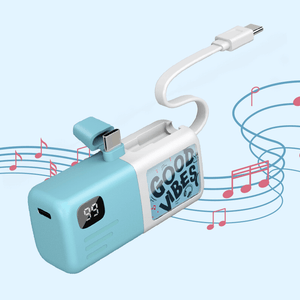
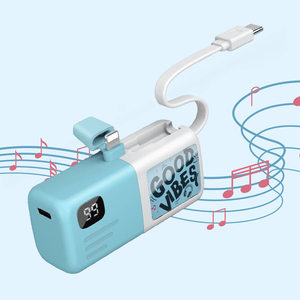
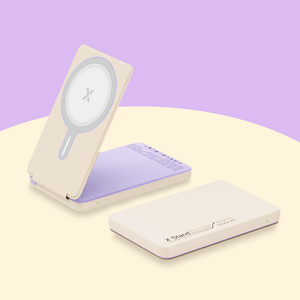
Each of these options illustrates how good engineering and certification make a mini portable charger both functional and safe when used correctly.
|
Product |
Capacity |
Charging Type |
Safety Features |
Weight |
What Sets It Apart |
|
5,000mAh |
Wired (Built-in Lightning) |
MFi-certified, overcharge & thermal protection |
98 g |
Apple-focused design with stable, conservative output |
|
|
5,000mAh |
Wired (USB-C, foldable connector) |
ActiveShield™ 2.0, temperature sensor |
~100 g |
Faster charging in a smallest battery charger form |
|
|
5,000mAh |
Wireless + USB-C |
NTC temperature control, MagSafe alignment, multi-certified |
103 g |
Wireless charging with added heat management |
|
|
5,000mAh |
Wired (Built-in USB-C cable & plug) |
NTC temperature control, fire-resistant ABS shell |
103 g |
Built-in cable reduces misuse and cable failure |
What They All Have in Common:
- Uses lithium battery cells
- Includes overcharge and temperature protection
- Falls within airline-safe capacity
-
Is compact and travel-friendly
These shared features form the safety baseline.
What Sets Them Apart:
- Charging speed
- Wired vs wireless charging
- Built-in cable convenience
- Advanced heat monitoring systems
- Material design
Safety standards are similar across reputable brands. The difference lies in design choices and user convenience.
Common Misunderstandings About Mini Power Banks
- “Smaller means more dangerous.” Not true. Internal protection systems matter more than size.
-
“If it says 5,000mAh, I’ll get all 5,000mAh.”
Actual usable capacity is typically 60–70% due to voltage conversion. This is normal and not a safety flaw. -
“All mini chargers work the same.”
Different charging outputs and temperature controls affect compatibility and performance.
Clearing up these misunderstandings helps prevent improper use, which is often where risk begins.
Quick Reminder: How to Use a Mini Portable Charger Safely
Here's what to keep on mind before you use your mini power bank:
- Check for certifications like UL, CE or FCC.
- Use good-quality cables.
- Charge on a firm, non-flammable surface like beds or sofas.
- Store away from direct heat and sunlight. Should be in a cool, dry place.
- Stop use if you see swelling, odd smells, or overheating.
- Never mix with metal objects in a bag. Keys or coins can short the ports.
- For travel, follow all airline power bank rules.
These guidelines help your mini portable charger remain dependable and hazard-free.
Following these simple habits protects both you and your devices.
Frequently Asked Questions
What is the lowest mAh for a power bank?
Entry-level power banks can start at around 1,000 mAh, though models under 5,000 mAh are now less common in the market. Capacities below 10,000 mAh are generally designed for light or emergency use rather than full daily charging. Because modern smartphones have larger batteries, very low-capacity units may only provide a partial recharge and are not suitable for high-power devices like laptops or tablets.
How long do mini power banks last?
A well-made mini power bank typically functions reliably for about two to four years with consistent use. Higher-quality units may maintain stable performance for up to five years, depending on charging habits and storage conditions. Battery lifespan also depends on factors such as heat exposure, frequency of use, and whether the device is kept within recommended charge levels when not in use.
How do you use a mini portable charger?
Begin by fully charging the mini portable charger using a wall adapter or compatible power source. Once it reaches full capacity, disconnect it and plug your charging cable into the correct output port on the device. Then connect the other end to your phone or gadget, and the power bank will automatically begin supplying power until charging is complete or the battery is depleted.
So, Are Mini Power Banks Safe to Use?
Yes, mini power banks are safe to use when they are properly designed, certified, and used responsibly.
A reliable mini power bank:
- operates within safe power and temperature limits
- includes protection against overheating, overcharging, and short circuits
- stays compact without sacrificing internal safety systems
The real safety risks come from:
- uncertified, ultra-cheap products
- misleading capacity claims
- improper charging and storage habits
When you choose a well-built mini portable charger, understand its limitations, and follow basic safety practices, it becomes a safe, practical, and dependable everyday power solution.
Related Articles
Swollen Power Bank: Causes, Risks, and Safe Disposal Tips
Wireless Charger Overheat: Can It Explode? Causes & Safety Tips
Li-Ion Battery Explosion: Causes, Risks, and How to Stay Safe


