

Best Outdoor Power Banks 2026: Our Top 3 Picks

For outdoor enthusiasts, nothing kills a trip faster than a dead device. Phones, cameras, headlamps, GPS trackers, and drones all rely on reliable power. But not all power banks are built for the trail. Some are too heavy, others too slow, and a few aren’t safe for rugged conditions.
This guide will help in choosing the best one for your adventure style. We’ll cover capacity, speed, weight, durability, and features you actually use outdoors.
In this blog:
- Why the Best Outdoor Power Bank Depends on Your Adventure
- Outdoor Adventurer Types & Recommended Power Bank Capacities
- Hidden Details Outdoor Adventurers Often Overlook
- Outdoor Power Bank Tips & Best Practices
- Quick Comparison Table
- Frequently Asked Questions
Let’s get started!
Why the Best Outdoor Power Bank Depends on Your Adventure
Not all power banks are made for rugged outdoor use. When picking a unit for the outdoors, consider:
- Capacity (mAh) – How many full charges you can get.
- Weight & Size – Lightweight for hikes, compact for backpacks.
- Rugged Build – Water, dust, and shock resistance.
- Fast Charging – USB-C PD is ideal for modern devices.
- Ports – Charge multiple devices like phones, cameras, or headlamps.
- Built-in Cables or LED Lights – Extra convenience for trails or campsites.
- Safety Features – Overcharge, short-circuit, and temperature protection.
Your needs will differ depending on your adventure style.
Outdoor Adventurer Types & Recommended Outdoor Power Bank Capacities
Different adventures need different power. This section helps you match your power bank to your trip and devices.
|
Adventurer Type |
Why They Need a Power Bank |
Recommended Capacity |
|
Casual Explorers |
Short hikes, day trips, basic phone use |
5,000–10,000 mAh |
|
Active Adventurers |
Long hikes, camping, trail running |
10,000–20,000 mAh |
|
Multi-Device Power Users |
Backcountry trips, photography, drones, tablets |
20,000+ mAh |
Casual Adventurers (Day Hikes, Short Trips)
If your outdoor trips are short—think day hikes, picnics, or city-side adventures—you need something light, compact, and easy to carry. You might only need 1–2 full phone charges and a quick top-up for small devices like earbuds or cameras.
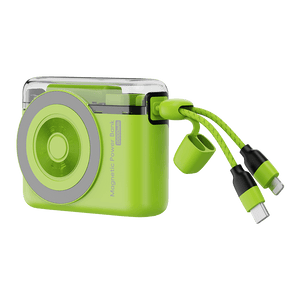
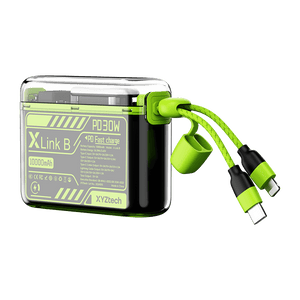
Top Pick: XYZtech X Link B (10,000mAh)

Why It Works for Casual Use
- Built-in USB-C & Lightning cables mean no extra cords to pack.
- Compact and airline-friendly for quick trips.
- LED digital display shows power level at a glance.
- Lightweight at 225g—won’t weigh down a daypack.
Pros
- Convenient: Built-in cables reduce packing hassle.
- Compact & portable: Fits in small backpacks or sling bags.
- Digital LED indicator: Easy to monitor battery.
- Safety: NTC temperature control prevents overheating.
Cons
- Lower capacity: Not suitable for laptops or multiple device days.
- Limited ports: Only two outputs; can’t charge more than 2 devices at once.
- Wireless charging limited: Magnetic pad only works with compatible phones.
Who It’s Best For: Casual hikers, weekend adventurers, or anyone who wants ready-to-use convenience without extra bulk.
Explorers & Frequent Hikers (Long Day Trips, Multi-Device Use)
For longer adventures—like trail running, multi-day hikes, or family camping—you need more capacity without carrying a brick. Fast USB-C PD charging is ideal to recharge devices quickly while stopping for lunch or a scenic break.
Top Pick: Nitecore NB10000 GEN2 (10,000mAh)

Why It Works for Explorers
- Ultra-lightweight carbon fiber construction: 150g only, easy to clip to a backpack.
- Dual USB outputs (USB-C & USB-A) allow simultaneous device charging.
- High energy density (257mWh/g) provides more power for weight.
- Trickle charging for low-power devices protects sensitive accessories.
Pros
- Lightweight & compact: Won’t slow you down on trails.
- Fast PD charging: 18W output charges phones and small tablets quickly.
- Durable: Carbon fiber frame handles bumps and drops.
- Multi-device: Charge 2 devices simultaneously without overheating.
Cons
- Limited total capacity: For multi-day trips, may require a mid-trip recharge.
- Output throttling: Some forums note speed drops if both ports used at max.
- No built-in cables: Users must carry short cords.
Who It’s Best For: Day-long hikers, outdoor photographers, or trail runners who want light but reliable power.
Heavy Users & Multi-Device Adventurers (Camping, Remote Work, Extended Trips)
If you’re carrying phones, tablets, GPS, cameras, or even laptops for remote work in the outdoors, you need high-capacity, high-wattage, and durable power banks. Reliability is crucial when access to outlets is limited.
Top Pick: Anker 325 Power Bank (20,000mAh)

Why It Works for Heavy Use
- Massive 20,000mAh capacity provides multiple charges for phones, tablets, and small devices
- Twin USB-A ports allow simultaneous device charging.
- Trickle-charging mode protects low-power accessories (earbuds, GPS trackers).
-
USB-C input for faster recharging the power bank itself.
Pros
- High capacity: Enough power for several days without an outlet.
- Safety features: Overcharge, short-circuit, and temperature control.
- Simultaneous charging: Two devices plus low-power accessory in trickle mode.
- Versatile recharging: Micro USB or USB-C inputs.
Cons
- Heavier than lighter banks: 6.22 x 2.92 x 0.76 inches, may be bulky for small packs.
- USB-C cannot output: Only input; users expecting laptop charging via USB-C will need another solution.
- Slower full recharge: ~10.5 hours with 10W charger.
Who It’s Best For: Remote workers, multi-device photographers, or campers who need multiple device charges without stopping for an outlet.
Hidden Details Outdoor Adventurers Often Overlook
Small details can make a big difference. Here are some things many people forget when picking a power bank.
- Weight vs. Capacity: A 20,000mAh power bank can weigh almost as much as a water bottle. Match capacity to your trip length.
- Device compatibility: Big banks may not fast-charge older devices; check port outputs.
- Trickle Charging: Ideal for small electronics like headlamps, GPS, or earbuds.
- Recharge Time: USB-C input helps refill quickly for multi-day trips.
- Durability Matters: Look for shockproof or fireproof casing, especially for hiking, camping, or climbing.
Outdoor Power Bank Tips & Best Practices
Using your power bank the right way keeps it lasting longer and working better on your trips.
- Charge your power bank fully before the trip.
- Carry short USB cables; long ones waste power and slow charging.
- Keep power banks away from direct sun or extreme heat to prevent damage.
- Use trickle-charge mode for low-power devices to prolong battery life.
-
Check your total power needs and pack accordingly: light day trips vs. multi-day excursions.
Best Power Bank for Outdoors Comparison Table
See the key specs and features side by side to make choosing easier.
|
Feature |
|||
|
Capacity |
10,000mAh |
10,000mAh |
20,000mAh |
|
Weight |
225g |
150g |
345g |
|
USB-C Output |
20W Max |
20W Max |
Input-only |
|
USB-A Output |
20W Max |
18W Max |
5V⎓2.4A x2 |
|
Built-in Cables |
Yes |
No |
No |
|
Trickle Charging |
No |
Yes |
Yes |
|
Durability |
Fireproof shell |
Carbon fiber frame |
Scratch-resistant, durable |
Frequently Asked Questions
Are lithium batteries ok in cold weather?
Extreme cold can permanently harm a lithium battery’s internal components, reducing its efficiency and potentially creating safety risks. Using the battery in freezing conditions may lead to shorter run times and erratic performance. To protect it, store lithium batteries in a warm, stable environment above freezing whenever possible.
How to keep lithium batteries warm in winter?
Specialized battery heaters designed for lithium cells can maintain optimal temperatures even in cold weather. These heaters often have adjustable settings to ensure the battery stays within safe operating limits. Keeping batteries warm this way helps maintain their capacity, efficiency, and overall lifespan.
What is the 80/20 rule for lithium batteries?
The 80/20 guideline suggests charging lithium batteries up to 80% for everyday use to reduce wear. Reserve a full 100% charge for long trips or situations where extended runtime is necessary. Also, avoid letting the battery drop below 20%, as deep discharges can shorten its overall lifespan.
Wrapping It Up: What’s the Right Outdoor Power Bank For You
Choosing the right power bank for your outdoor adventures isn’t just about capacity—it’s about matching your devices, trip length, and carrying style.
- XYZtech X Link B keeps things simple for light outings with its compact size and built-in cables.
- Nitecore NB10000 GEN2 balances lightweight design with enough power for a long day on the trail.
- Anker 325 Power Bank delivers serious multi-device power for extended trips, remote work, or heavy gadget users.
Think about how many devices you bring, how long your trips last, and how much weight you’re willing to carry. When your power bank fits your adventure style, you can focus on the experience, not hunting for outlets.
Which one fits your outdoor lifestyle best? Pack smart, charge right, and let your adventures go uninterrupted.
Related Articles
Best Power Bank for Travel 2026: Traveler Guide & Tips
Airline Battery Restrictions Updated: What Travelers Must Know
Camping Power Bank: Your Adventure Power Source! | Buying Tips


