

Power Bank Safety: How to Choose a Safe & Reliable Power Bank

Not all power banks are tested to the same safety standards.
While most reputable power banks are safe to use, poorly manufactured or counterfeit products can increase the risk of overheating, battery swelling, short circuits, and even fire.
Understanding power bank safety, including power bank safety standards, certifications, and built-in safety protections, can help you choose a safer and more reliable portable charger.
In this guide, we'll explain which certifications matter, how to identify a safe power bank, and what features to look for before buying.
In this blog:
- What Is Power Bank Safety?
- Why Power Bank Safety Matters
- Power Bank Safety: Standards vs. Certification vs. Features
- Common Power Bank Safety Standards and Certifications
- Which Power Bank Safety Certification Matters Most for Consumers?
- How to Know If a Power Bank Is Safe Before Buying
- Beware of Counterfeit Certifications and Unsafe Power Banks
- How XYZtech Approaches Power Bank Safety
- So, How to Choose a Safe and Reliable Power Bank?
Let’s get started!
What Is Power Bank Safety?
Power bank safety refers to the combination of safety standards, certifications, testing procedures, and built-in protective features that help ensure a portable charger operates safely throughout its lifespan.
These safety measures are designed to reduce risks such as overheating, battery swelling, short circuits, electrical failures, and fire. Together, they help verify that a power bank has been tested, complies with recognized safety requirements, and includes protections to operate safely during everyday use.
Why Power Bank Safety Matters
Power banks contain lithium-based batteries that store a significant amount of energy in a compact space. When designed and manufactured properly, they are generally very safe and reliable. However, poor-quality components, inadequate testing, counterfeit products, or improper use can increase the risk of overheating, battery swelling, short circuits, or fire.
Because unsafe products can look very similar to certified ones, price and advertised capacity alone aren't reliable indicators of safety. That's why understanding power bank safety standards and power bank safety certification is one of the best ways to identify safer and more reliable power banks.
Power Bank Safety: Standards vs. Certification vs. Features
Many consumers assume that power bank safety standards, power bank safety certification, and safety features all mean the same thing. While they are closely related, they refer to three different layers of product safety.

1. Power Bank Safety Standards
Power bank safety standards are the technical requirements and testing procedures developed by international organizations, government agencies, and testing laboratories to determine whether a power bank is safe.
Examples include:
- IEC 62368-1
- IEC 62133
- UN38.3
- GB/T35590
- KN32 and KN35
2. Power Bank Safety Certification
Power bank safety certification refers to the approvals, reports, and compliance marks that indicate a power bank has been tested against recognized safety standards or regulatory requirements.
Examples include:
- UL 2056 certification
- CE marking
- FCC compliance
- RoHS compliance
- CCC certification
- BSMI certification
- RCM certification
- PSE certification
3. Built-In Safety Features
Safety features are the protective technologies built into the power bank itself to help prevent failures during everyday use.
Examples include:
- Overcharge protection
- Over-discharge protection
- Short-circuit protection
- Temperature monitoring
- Overcurrent protection
- Automatic power shutoff
- Battery Management Systems (BMS)
In simple terms, power bank safety standards are the requirements, power bank safety certification is the proof that a product has been tested against those requirements, and safety features are the protections built into the device itself. A safe power bank should ideally have all three.
Common Power Bank Safety Standards and Certifications
Different certifications evaluate different aspects of power bank safety. Some focus on battery performance, while others evaluate electrical safety, transportation requirements, environmental compliance, or electromagnetic compatibility.
The following are some of the most widely recognized power bank safety standards and certifications:
|
Standard/ Certification |
Type |
Region |
What It Verifies |
Why It Matters |
|
Safety certification |
United States |
Battery and electrical safety, thermal protection, mechanical durability |
Helps reduce overheating and fire risks |
|
|
Transportation safety standard |
International |
Lithium battery transportation safety |
Required for transporting lithium batteries by air, sea, rail, and road |
|
|
IEC 62368-1 |
International safety standard |
International |
Electrical, thermal, and mechanical safety |
Widely recognized safety standard for electronics |
|
IEC 62133 |
Battery safety standard |
International |
Rechargeable battery safety and performance |
Helps verify battery reliability |
|
Regulatory compliance certification |
United States |
Electromagnetic compatibility |
Reduces interference with electronic devices |
|
|
Regulatory conformity marking |
European Union |
Electrical, health, and environmental compliance |
Required for many products sold in Europe |
|
|
Environmental compliance standard |
European Union |
Restriction of hazardous substances |
Limits potentially harmful materials |
|
|
CCC / GB/T35590 |
National certification and standard |
China |
Electrical safety and performance |
Required for many products sold in China |
|
KC62133-2 / KN32 / KN35 |
National safety standards |
South Korea |
Battery safety and EMC compliance |
Required for products sold in South Korea |
|
PSE |
Regulatory certification |
Japan |
Electrical safety |
Demonstrates compliance with Japanese regulations |
|
BSMI |
National certification |
Taiwan |
Battery safety and EMC compliance |
Required for products sold in Taiwan |
|
RCM |
Regulatory compliance mark |
Australia/New Zealand |
Electrical safety and EMC compliance |
Indicates compliance with regional regulations |
While no single power bank safety certification guarantees perfect safety, multiple recognized certifications can provide greater confidence in a product's reliability.
Which Power Bank Safety Certification Matters Most for Consumers?
Most consumers don't need to memorize every international certification. However, when evaluating a power bank, it's helpful to look for certifications such as:
- UL 2056 for battery and electrical safety
- UN38.3 for lithium battery transportation safety
- CE for European safety compliance
- FCC for electromagnetic compatibility
- RoHS for environmental safety
- IEC 62133 for rechargeable battery safety
These certifications, combined with built-in safety protections, can provide greater confidence in a power bank's safety and reliability.
How to Know If a Power Bank Is Safe Before Buying
Understanding power bank safety certifications is important, but there are several other factors consumers should evaluate.
1. Verify Power Bank Safety Certifications
Look for manufacturers that clearly disclose their certifications and compliance information.
Reliable brands often provide:
- Certification documentation
- Product specifications
- Safety information
- Compliance statements
Be cautious of products displaying certification logos without supporting information. Checking for recognized power bank safety certification is one of the simplest ways to make a safer purchasing decision.
2. Check for a Battery Management System (BMS)
One of the most important safety technologies inside a modern power bank is the Battery Management System, or BMS.
A BMS continuously monitors the battery and helps protect against:
- Overcharging
- Deep discharge
- Excessive current
- Overheating
- Short circuits
- Voltage abnormalities
This system acts as an additional layer of protection and helps prevent battery failures.
3. Look for Multiple Safety Protections
A quality power bank typically incorporates several protective systems working together.
Look for features such as:
- Overcharge protection
- Over-discharge protection
- Short-circuit protection
- Overcurrent protection
- Thermal protection
- Automatic shutdown functions
These protections help improve both safety and battery longevity.
4. Buy From Reputable Brands
One of the simplest power bank safety tips is also one of the most effective: purchase from reputable brands and authorized sellers.
Established manufacturers are generally more likely to provide:
- Quality control testing
- Warranty coverage
- Customer support
- Safety documentation
- Ongoing product compliance
Beware of Counterfeit Certifications and Unsafe Power Banks
Counterfeit portable chargers remain a concern in the consumer electronics market.
Some products may display fake certification logos, exaggerate battery capacities, or use low-quality battery cells without proper safety protections.
Potential warning signs include:
- Prices that seem unusually low
- Unrealistic battery capacity claims
- Missing manufacturer information
- Poor packaging quality
- Lack of warranty support
- No published certification documents
If a product appears too good to be true, it's worth investigating further before purchasing.
How XYZtech Approaches Power Bank Safety
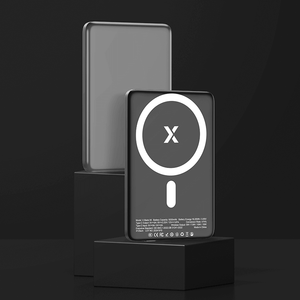
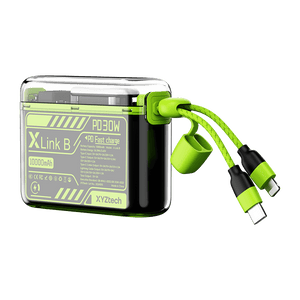
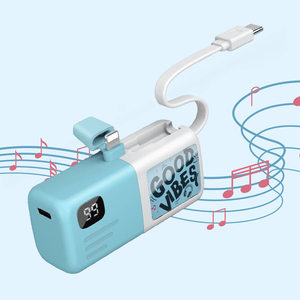
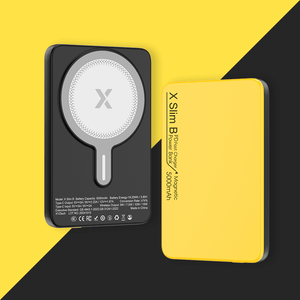
At XYZtech, safety is an important consideration throughout the design and testing compliance processes. Our 5,000mAh and 10,000mAh power banks are supported by multiple forms of power bank safety certification and compliance documentation, including:
- CE
- FCC ID
- FCC SDoC
- RoHS
- UN38.3
- UL2056
- MSDS
- California Proposition 65
Together, these certifications and compliance requirements help verify important aspects of power bank safety, including:
- Battery and electrical safety
- Protection against overheating and electrical faults
- Safe transportation of lithium batteries
- Electromagnetic compatibility
- Environmental and material compliance
- Consumer safety and regulatory requirements
Starting at $24.99, XYZtech power banks are designed to provide dependable portable charging while meeting recognized safety and compliance requirements.
So, How to Choose a Safe and Reliable Power Bank?
Understanding power bank safety can help you make safer purchasing decisions and avoid many common battery-related risks. Looking for recognized power bank safety standards, certifications, and built-in safety features can help ensure safer and more reliable charging.
Key Takeaways
- Look for recognized certifications such as UL 2056, UN38.3, CE, FCC, RoHS, and IEC 62133.
- Choose power banks with a Battery Management System (BMS) and multiple safety protections.
- Buy from reputable brands that provide certification and compliance information.
- Follow basic power bank safety tips during charging, storage, and transport.
- Stop using any power bank that becomes swollen, damaged, or unusually hot.
Most power bank safety risks can be minimized by choosing certified products and following good charging habits. Checking a product's power bank safety certification, safety features, and manufacturer information before buying can help ensure safer and more reliable charging over time.
If you're looking for portable charging backed by recognized safety certifications, XYZtech's 5,000mAh and 10,000mAh power banks are designed with safety, reliability, and compliance in mind.
Starting at $24.99, XYZtech offer dependable portable power supported by certifications including CE, FCC ID, FCC SDoC, RoHS, UN38.3, UL2056, MSDS, and California Proposition 65.
Related Articles
CE, FCC, ROHS & Other Certifications: What Do They Mean?


