

Protection Circuit Module: How It Protects Your Power Bank Battery

The safety of your power bank depends on more than just the battery capacity you see on the box.
When shopping, most people focus on external features like charging speed, size, design, and capacity. However, the most critical component is hidden inside: the Protection Circuit Module (PCM). This small but powerful electronic system acts as the device's brain, working quietly in the background to guard against dangerous electrical conditions.
A modern Li-ion battery protection circuit constantly monitors charging and discharging activity, helping prevent issues such as overcharging, deep discharging, overheating, and electrical faults that can damage the battery or reduce its lifespan.
Understanding how these protection systems work can help you choose a safer power bank, take better care of your device, and understand why high-quality internal components matter as much as battery capacity.
In this blog:
- What Is a Protection Circuit Module (PCM) in a Power Bank?
- Why a Protection Circuit Module Is Necessary for Lithium Batteries
- Main Components Inside a Protection Circuit Module
- How the Li-Ion Battery Protection Circuit Works
- Protection Circuit Module (PCM) vs Battery Management System (BMS)
- What Safety Features Should You Look for in a Power Bank?
- Troubleshooting and Safety
- Frequently Asked Questions
- So, How Does a Protection Circuit Module Keep Your Power Bank Safe?
Let’s get started!
What Is a Protection Circuit Module (PCM) in a Power Bank?
A protection circuit module, often called a PCM, is a small electronic board connected to the lithium battery inside a power bank. Its main purpose is to monitor the battery’s condition and immediately respond whenever the battery operates outside safe limits.
Think of it as the power bank’s built-in safety guard. While the battery stores electrical energy, the PCM controls when that energy can safely enter or leave the battery.
During charging, the module monitors incoming voltage and current to ensure the battery does not receive more energy than it can safely handle. During discharge, it checks the power going to your phone, tablet, or other devices to ensure the battery remains within its safe operating range.
Without this protection, lithium batteries would be more vulnerable to damage caused by excessive voltage, too much current, or unsafe temperatures.
Why a Protection Circuit Module Is Necessary for Lithium Batteries
Lithium-ion and lithium-polymer batteries are widely used in power banks because they can store a large amount of energy in a compact and lightweight design. This allows modern power banks to remain portable while delivering multiple charges for smartphones and other devices.
However, lithium batteries are sensitive to how they are charged, discharged, and stored. If they are pushed beyond their designed limits, their internal chemistry can become unstable.
This is where the protection circuit module becomes essential. It continuously checks important battery conditions and takes action before small electrical problems become serious safety concerns.
A properly designed PCM helps reduce the risk of:
- Battery overheating due to excessive temperature.
- Swelling caused by charging beyond the recommended voltage.
- Permanent capacity loss from draining the battery too deeply.
- Electrical damage caused by short circuits or excessive current.
This protection helps maintain both battery safety and long-term performance.
Main Components Inside a Protection Circuit Module
Although a PCM is small, several components work together to create multiple layers of battery protection.
- Protection Integrated Circuit (IC). The protection IC acts as the control center of the PCM. It receives information from various sensors and decides when protective actions should occur.
- MOSFET Switches. MOSFETs function as electronic gates that control the movement of electricity. When a dangerous condition is detected, they can rapidly stop the flow of current.
- Temperature Sensors and Thermistors. These components monitor heat levels inside the battery. Accurate temperature monitoring helps prevent the battery from operating in unsafe conditions.
- Supporting Electronic Components. Other components, such as resistors, capacitors, and circuit boards, help regulate electrical signals, stabilize circuit operation, and ensure the protection system functions reliably under different charging and discharging conditions.
Other components, such as resistors, capacitors, and circuit boards, help regulate electrical signals and ensure the protection system operates reliably.
How the Li-Ion Battery Protection Circuit Works
The Li-ion battery protection circuit works by constantly monitoring several important battery conditions in real time. It uses a combination of sensors, integrated circuits, and electronic switches to determine whether the battery is operating safely.
When the system detects an unsafe condition, it can temporarily disconnect charging or power output until normal conditions return.

1. Voltage Monitoring and Overcharge Protection
Every lithium battery has a maximum charging voltage. Charging beyond this limit can create excessive heat, damage the battery’s internal materials, and increase the risk of swelling or failure.
The PCM monitors the battery voltage throughout the charging process. Once the battery reaches its safe charging limit, the protection system stops additional charging to prevent overcharging.
This is one of the reasons why modern high-quality power banks can safely remain connected to a charger after reaching full charge, the protection system prevents unnecessary charging. Learn more here: Battery Overcharge Protection: Is It Safe to Leave It Plugged In?
2. Over-Discharge Protection
A lithium battery should not be drained completely below its minimum safe voltage.
When a battery becomes deeply discharged, its chemical structure can degrade, leading to reduced capacity, poor performance, and, in severe cases, a battery that no longer accepts a charge.
The protection circuit monitors the remaining battery voltage and cuts power before the battery reaches a harmful discharge level.
3. Overcurrent and Short Circuit Protection
Electrical current must remain within a safe range for the battery and internal components.
A damaged cable, faulty device, or unexpected electrical problem can cause excessive current flow. If left uncontrolled, this can generate heat and damage the battery.
The PCM uses components called MOSFETs, which act as extremely fast electronic switches. If the current becomes unsafe or a short circuit occurs, the MOSFETs disconnect the electrical path to protect the battery. Learn more here: Overcurrent Protection (OCP) in Power Banks: Why It Matters
4. Temperature Protection
Heat is one of the biggest factors that affects battery health and longevity.
Many advanced power banks include temperature sensors within their protection systems. These sensors constantly check battery temperature while charging and discharging.
If the battery becomes too hot, the protection system can pause charging or disconnect the battery until it cools down, reducing the risk of overheating and damage.
Protection Circuit Module (PCM) vs Battery Management System (BMS)
The terms PCM and Battery Management System (BMS) are often used interchangeably, but they are not exactly the same.
A Protection Circuit Module or PMS focuses primarily on basic safety functions, such as preventing overcharging, over-discharging, excessive current, and overheating.
A Battery Management System or BMS is a more advanced system commonly used in larger or more complex battery packs. In addition to protection, a BMS can perform functions such as cell balancing, battery health monitoring, communication with devices, and advanced charging management.
For most consumer power banks, a well-designed PCM provides the essential safety features needed for reliable everyday use. Learn more here: Unlocking Smarter Charging with AI Battery Management System
What Safety Features Should You Look for in a Power Bank?
Battery capacity and charging speed are often the first specifications people compare when buying a power bank. However, the safety features built inside the device are just as important, especially when dealing with lithium batteries.
A high-quality power bank should include multiple layers of protection to help prevent battery damage, overheating, and electrical faults during everyday use. These protection features work together to keep both the battery and your devices operating safely.
When choosing a power bank, look for the following safety features:
- Overcharge protection, which stops the battery from charging beyond its safe voltage limit.
- Over-discharge protection, which prevents the battery from draining to damaging levels.
- Overcurrent protection, which limits excessive electrical current that can generate heat and damage components.
- Short circuit protection, which immediately cuts power if an electrical fault occurs.
- Temperature protection, which monitors heat levels and stops charging or discharging if temperatures become unsafe.
- Reliable battery cells and quality internal components, which help ensure long-term safety and performance.
A well-designed protection circuit module combined with high-quality battery cells can significantly improve a power bank's safety, reliability, and lifespan. While cheaper power banks may advertise high capacity, the quality of their internal protection systems often determines how safely they perform over time.
Troubleshooting and Safety
Understanding the limitations of battery protection systems and recognizing potential warning signs can help users identify problems early and use their power banks more safely.
Can a Power Bank Still Fail Even With a Protection Circuit Module?
Yes. While a Li-ion battery protection circuit provides multiple layers of protection, several factors can still affect its performance over time.
Poor manufacturing quality, damaged internal components, aging batteries, physical impacts, and exposure to extreme temperatures can all increase the risk of protection system failure. In some cases, the protection circuit itself remains functional, but the battery cells deteriorate to a point where they become difficult to manage safely.
This is why battery quality, manufacturing standards, and proper usage habits remain just as important as the protection circuit itself.
Some common causes of protection circuit problems include:
- Low-quality or counterfeit battery cells
- Physical damage from drops or impacts
- Manufacturing defects
- Aging battery components
- Exposure to excessive heat or moisture
- Frequent charging or discharging under extreme conditions
Although these failures are relatively uncommon in reputable products, they can occur, especially in older or poorly manufactured power banks.
Signs Your Power Bank’s Protection Circuit May Have Problems
Even though protection circuits are designed to last throughout the life of a power bank, certain warning signs may indicate that the battery or protection system is no longer operating correctly.
Watch for the following symptoms:
- The power bank no longer charges properly.
- It shuts off unexpectedly while charging devices.
- The device becomes significantly hotter than normal.
- Charging speeds become inconsistent.
- The battery drains unusually quickly.
- The power bank develops swelling, leaks, or unusual odors.
If you notice swelling, leaking, or a burning smell, stop using the power bank immediately. Continuing to charge or use a damaged lithium battery can be dangerous.
Frequently Asked Questions
When the circuit protection is needed, what kind of problem is there?
Circuit protection is needed when a battery or electrical circuit operates outside its safe limits. Common problems include overcharging, over-discharging, overheating, overloads, and short circuits. In power banks, the protection circuit module helps detect these conditions and temporarily stops the flow of electricity to protect the battery and the device.
What not to do when using a power bank?
Even with a reliable protection system, proper usage habits still matter.
Avoid exposing your power bank to extreme heat, leaving it in direct sunlight for long periods, or using damaged charging cables. Do not attempt to open, modify, or repair the internal battery or protection circuit yourself, as this can bypass important safety systems.
How to extend the lifespan of your power bank?
Good charging habits and proper storage can help your power bank perform reliably for years.
Use quality charging accessories, keep the power bank away from extreme temperatures, and store it in a dry place when not in use. Avoid frequent deep discharges whenever possible, as repeatedly draining lithium batteries to very low levels can accelerate wear.
Choosing a power bank with reliable battery cells and a well-designed protection system is one of the best ways to ensure long-term performance.


So, How Does a Protection Circuit Module Keep Your Power Bank Safe?
The protection circuit module is a critical safety system that prevents common battery problems such as overcharging, excessive discharge, overheating, and electrical faults. Although it is a small component hidden inside your power bank, it plays a major role in keeping the battery safe, stable, and performing efficiently.
Key Takeaways
- A protection circuit module continuously monitors battery voltage, current, and temperature.
- It protects power banks from overcharging, deep discharging, short circuits, and excessive current.
- The Li-ion battery protection circuit helps improve battery safety and extend battery lifespan.
- A PCM provides essential protection, while a BMS offers additional advanced battery management features.
- Choosing a high-quality power bank with reliable safety systems helps ensure safer everyday charging.
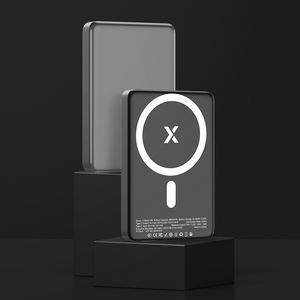
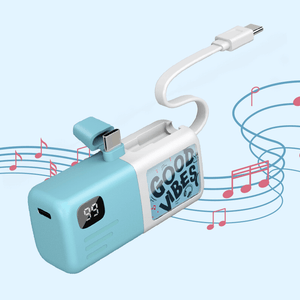
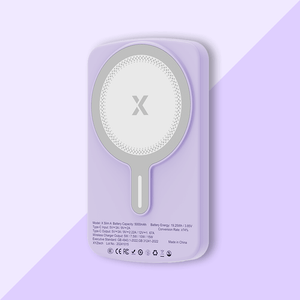
A good power bank combines convenience with strong internal protection. XYZtech’s 5,000mAh and 10,000mAh power banks are designed with dependable safety features and quality battery components, giving you reliable portable charging while keeping battery protection a priority. All of this is highly affordable, starting from just $24.99.
Related Articles
Unlocking Smarter Charging with AI Battery Management System
How to Keep A Phone Battery Healthy: Top 10 Battery Care Tips


