

Charging Phone Case: Is It Better Than a Power Bank?

A dead phone battery always seems to hit at the worst possible moment, right when you need directions, a payment app, or an important message.
A charging phone case offers a simple fix by keeping backup power attached to your device. Instead of remembering to bring a separate cable or power bank, the extra battery is already with your phone whenever you need it.
But while a battery case sounds convenient, it is not always the best solution for everyone. Understanding how it works and when it makes sense can help you avoid buying something that doesn’t fit your lifestyle.
In this guide:
- What Is a Charging Phone Case and How It Works
- Charging Phone Case vs Power Bank: The Real Difference
- What Are the Benefits of Using a Battery Case?
- What Are the Cons of a Charging Phone Case?
- Who Should Use a Charging Phone Case?
- Frequently Asked Questions
- So, Is a Charging Phone Case Worth It?
Let’s get started!
What Is a Charging Phone Case and How It Works
A charging phone case (also called a battery case) is a protective phone case with a built-in rechargeable battery. It wraps around your phone like a normal case but contains extra stored energy that can charge your device when needed.

Most models connect directly through your phone’s charging port or MagSafe-style wireless connection. Once activated, the case transfers power to your phone, acting like an attached mini power bank.
The key idea is simplicity: instead of remembering to bring a separate charger, your backup power is always physically attached to your phone.
Depending on capacity, a battery case usually provides anywhere from a partial boost to roughly one full extra charge.
Battery Case vs Power Bank: The Real Difference
A charging phone case and a power bank serve the same purpose, extending battery life, but the way they do it changes everything about the user experience.
A battery case stays attached to your phone at all times. This makes it extremely convenient because there is nothing extra to carry, plug in, or manage. Your backup power is always ready.
A power bank, however, is a separate device. It connects via cable or wireless charging and can store significantly more energy. This makes it more flexible, especially for travel, charging multiple devices, or continuing to use the same charger even after upgrading your phone.
Simple Comparison:
|
Feature |
Charging Phone Case |
Power Bank |
|
How it works |
Built into your phone case and provides power when needed |
Separate external battery that connects via cable or wireless charging |
|
Convenience |
Always attached to your phone, so backup power is always with you |
Needs to be carried separately and connected when needed |
|
Battery capacity |
Lower capacity, usually enough for a partial to one extra charge |
Higher capacity with multiple charges available depending on size |
|
Device compatibility |
Designed for specific phone models |
Can charge different devices like phones, earbuds, tablets, and more |
|
Portability |
No extra accessories to carry |
More flexible but requires carrying another device |
|
Long-term use |
May need replacing when you upgrade your phone |
Can continue to be used even after switching to a new phone |
|
Best for |
Everyday convenience and people who want a low-maintenance charging solution |
Travel, heavy users, and charging multiple devices |
Neither is “better”; they solve different problems. A charging phone case focuses on convenience and keeping power within reach, while a power bank offers more capacity and flexibility. The right choice depends on your daily routine, charging habits, and how much backup power you need.
What Are the Benefits of Using a Battery Case?
For users who prioritize convenience and a simpler everyday carry, a charging phone case offers several practical advantages.
-
Always-on convenience
The biggest advantage of a charging phone case is that it removes planning. You do not need to think about carrying extra accessories or remembering a charging cable. If your phone battery drops, your backup power is already there.
For people who rely heavily on their phones throughout the day, navigation, messaging, social apps, or work, this constant availability can feel very practical.
-
Minimal things to carry
Many users prefer reducing everyday clutter. Instead of carrying a phone, cable, and power bank separately, a battery case combines protection and charging in one item.
This makes it especially useful for commuting, short trips, or days when you want to travel light.
-
Smooth daily charging experience
Some charging phone cases are designed to intelligently manage power flow, so your phone draws energy from the case before using its internal battery.
This creates a more seamless experience because you do not need to constantly plug or unplug anything throughout the day.
What Are the Cons of Charging Phone Case?
While a battery case offers unmatched convenience for some users, there are trade-offs to consider. Understanding these limitations can help you decide whether a charging phone case matches your daily habits and charging needs.
-
Adds weight and thickness
Because the battery is built into the case, your phone becomes noticeably bulkier. This can affect comfort, especially during long use, gaming, or one-handed handling.
For users who prefer slim phones, this is often the first dealbreaker.
-
Limited battery capacity
A charging phone case is designed to stay compact, which limits how much power it can store. Most provide around one extra charge or less.
A power bank, in contrast, can hold several times more capacity, making it more suitable for travel or heavy usage days.
-
Not flexible across devices
A battery case is built for a specific phone model. If you upgrade your phone, the case usually becomes unusable.
A power bank, however, works across different devices like smartphones, earbuds, tablets, and more, making it more future-proof.
-
Heat and long-term wear considerations
Any device that charges a phone while attached can generate heat. Over time, heat exposure can contribute to battery wear if usage habits are not balanced.
This does not mean a battery case is unsafe, but it does mean quality and proper usage matter, especially avoiding extreme heat or constant full-cycle charging when unnecessary.
Who Should Use a Battery Case?
A charging phone case is best suited for people who want simple, always-available backup power without needing to think too much about carrying extra accessories.
It is especially helpful for users with busy, fast-moving routines, like commuting, working long hours, or constantly moving between locations, who prefer a charging solution that is always attached to their phone instead of having to remember an extra cable or power bank.
For some people, it simply becomes a “set it and forget it” solution. Once the battery case is attached, there is no need to constantly check if you brought a charger or worry about finding an outlet during the day. It quietly supports your phone in the background when the battery starts to drop.
A charging phone case works well for:
- People who want a low-effort charging solution
- Users who prefer not carrying extra items daily
- Those who often realize too late that their phone is low and they are away from a charger
- Anyone who values convenience and simplicity over carrying multiple charging tools
In short, a battery case is designed for people who want reliable backup power that stays with them, without needing to plan around it.
Frequently Asked Questions
Are charging cases good for your phone?
Charging cases can be a useful accessory because they provide extra power while also adding a layer of protection to your device. Their effectiveness depends on choosing a model specifically designed for your smartphone and using it in a way that matches your daily charging needs. A high-quality charging case can offer convenient backup power without needing to carry another charger.
Is it better to charge a phone to 80% or 100%?
Keeping your phone around an 80% charge may help reduce long-term stress on lithium-ion batteries because they spend less time at their highest voltage levels. However, reaching 100% occasionally or as part of normal daily use is generally considered safe with modern smartphones. The best charging habit depends on whether you prioritize maximum battery lifespan or having the most available power throughout the day.
Are battery cases a good idea?
Battery cases are a great choice for users who value convenience and want extra power attached to their phone at all times. However, because charging creates heat and the case surrounds the device, prolonged exposure to high temperatures may contribute to faster battery aging over time. Choosing a well-designed battery case and avoiding excessive heat can help maintain better battery performance.



So, Is a Charging Phone Case Worth It?
A charging phone case is a convenient all-in-one solution that keeps backup power directly attached to your phone. While it cannot match the higher capacity and flexibility of a power bank, a battery case offers unmatched ease of use for everyday situations.
Key Takeaways
- A charging phone case is a protective case with a built-in battery
- It prioritizes convenience over high charging capacity
- A battery case is best for daily use and light power needs
- Power banks offer more flexibility and longer-lasting charge support
- Many users benefit from using both depending on lifestyle
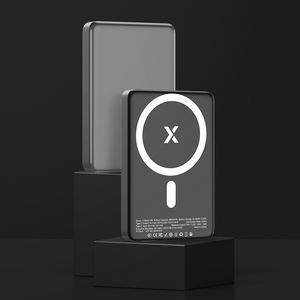
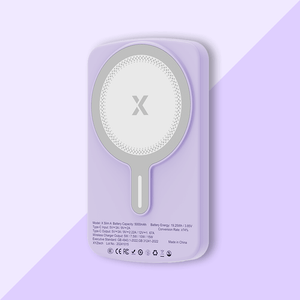
At the end of the day, the right choice depends on whether you value a single attached accessory or extended power. If you realize that a bulky case isn't for you and you prefer flexible backup charging that won't weigh your phone down, XYZtech offers compact 5,000mAh and 10,000mAh power banks designed to give you reliable, pocket-sized energy for everyday use and travel.
Related Articles
Power Bank vs Portable Charger: Are They the Same or Different?
Why Get a MagSafe Case? Is It Actually Worth Buying?
How to Keep A Phone Battery Healthy: Top 10 Battery Care Tips


