

Are Magnets Bad for Phones? Can They Really Cause Damage?

Have you ever heard that magnets can erase your phone's data or damage its battery?
If you did, you may wonder whether wireless power banks and modern phone accessories are actually safe. Magnets are everywhere, from magnetic phone mounts and wireless power banks to MagSafe chargers and wallets. With so many magnetic products around, people naturally ask: are magnets bad for phones?
While those concerns made sense years ago, the good news is that modern smartphones are designed very differently from older electronics.
In this guide, we'll answer the ultimate question, "Are magnets bad for cell phones?", by explaining what they can and can't affect, how magnetic accessories work safely with modern devices, and what to look for when buying a wireless magnetic power bank.
In this blog:
- Are Magnets Bad for Phones?
- Why Do People Think Magnets Damage Phones?
- What Can Magnets Actually Affect?
- Are Wireless Magnetic Power Banks Safe?
- How to Use Magnetic Accessories Safely
- Frequently Asked Questions
- So, Are Magnets Bad for Phones? Final Verdict
Let’s get started!
Are Magnets Bad for Phones?
The short answer is no. Everyday magnets won't permanently damage modern smartphones.
Today's phones are designed with magnetic accessories in mind. In fact, many smartphones already contain magnets inside them. Apple's MagSafe system, for example, uses a ring of built-in magnets to align wireless chargers and accessories. Many Android phones and Qi2-compatible accessories also use magnetic technology for easier wireless charging.
For most people, magnetic phone mounts, wallets, chargers, and wireless power banks are safe to use when they're designed for compatible smartphones.
Why Do People Think Magnets Damage Phones?
The belief that magnets damage electronics comes from older technology. Years ago, devices like floppy disks, cassette tapes, and traditional hard drives stored data magnetically, meaning a strong magnet could easily corrupt or erase your files. Older CRT television screens were also highly sensitive to magnetic fields, which caused permanent picture distortion.
Today's smartphones are engineered differently and no longer rely on these outdated technologies. To clear up the confusion, here is how the most common myths stack up against modern smartphone facts:
Are Magnets Bad for Cell Phones: Myth vs Fact
|
Myth |
Fact |
|
Magnets erase phone data. |
Modern smartphones use flash memory, which isn't affected by everyday magnets. |
|
Magnets damage phone screens. |
LCD and OLED displays don't work like old CRT televisions and aren't harmed by normal magnets. |
|
Magnets ruin phone batteries. |
Everyday magnetic fields don't damage lithium-ion batteries. |
|
All magnetic accessories are unsafe. |
Certified magnetic accessories are designed specifically to work safely with compatible smartphones. |
|
Wireless charging is dangerous. |
Certified wireless chargers include multiple safety features that help prevent overheating and overcharging. |
What Can Magnets Actually Affect?
Although magnets won't permanently damage your phone, they can temporarily interfere with a few built-in components if they're unusually strong or placed very close to the device.

Here is what magnets can actually affect:
Compass
Your phone's digital compass uses a tiny magnetic sensor called a magnetometer. A strong external magnet can temporarily affect its accuracy, causing navigation apps to point in the wrong direction.
Fortunately, this isn't permanent. Once the magnet is removed, recalibrating the compass, often by moving your phone in a figure-eight motion, usually restores normal performance.
Camera Stabilization
Many modern smartphones use Optical Image Stabilization (OIS) to reduce blur and improve photo quality.
Very strong magnets may temporarily interfere with the tiny moving parts inside the camera module, which can affect autofocus or image stabilization while the magnet is nearby. This is one reason why manufacturers recommend using accessories designed specifically for your phone model instead of attaching powerful loose magnets directly to your device.
Foldable Phones
Some foldable smartphones use magnetic sensors to detect whether the phone is open or closed.
Strong aftermarket magnets or poorly designed magnetic accessories may occasionally confuse these sensors, causing temporary issues such as the wrong screen activating. Once the magnet is removed, the phone usually returns to normal.
For traditional smartphones, however, this is rarely a concern.
Wireless Charging Alignment
Magnets actually help many wireless chargers work better.
MagSafe and Qi2-compatible chargers use carefully positioned magnets to align the charging coils between the charger and the phone. Proper alignment improves charging efficiency and helps keep the charger securely attached while charging.
Rather than being harmful, magnets play an important role in making modern wireless charging more reliable.
Are Wireless Magnetic Power Banks Safe?
If magnets don't damage modern smartphones, the next question is whether wireless magnetic power banks are safe to use.
The answer is yes, provided you choose a certified product from a reputable brand.
Wireless magnetic power banks are designed to work with compatible smartphones using the Qi or Qi2 wireless charging standard. Many models also include MagSafe-compatible magnets that automatically align the charger with your phone for a more stable and efficient charging connection.
Quality wireless power banks include several built-in safety features, such as:
- Temperature protection to reduce overheating.
- Overcharge protection to stop charging when the battery is full.
- Foreign Object Detection (FOD), which prevents charging if metal objects such as coins or keys are between the charger and your phone.
- Short-circuit and overcurrent protection to help safeguard both the charger and your device.
Wireless charging naturally produces more heat than wired charging because power is transferred through electromagnetic induction rather than a direct cable connection. However, certified chargers are designed to monitor temperature and automatically adjust charging speeds when needed to help protect your battery.
The biggest safety risk isn't the magnets; it's using low-quality, uncertified chargers that may lack these important safety features.
How to Use Magnetic Accessories Safely
Using the right magnetic accessories helps ensure reliable charging and keeps your phone performing as intended. Here are a few simple tips to follow.
- Choose certified accessories that support Qi, Qi2, or MagSafe standards.
- Buy from reputable brands that clearly state compatibility with your phone.
- Avoid attaching extremely strong loose magnets directly to your device.
- Keep metal objects such as coins or keys away from wireless chargers.
- Use a compatible phone case that doesn't block magnetic alignment or wireless charging.
- If you notice your phone becoming unusually warm, remove the charger and allow it to cool before charging again.
Following these simple habits helps ensure reliable charging while protecting your phone's performance.
Frequently Asked Questions
Is it bad to stick magnets to your phone?
No. Everyday magnets used in phone mounts, MagSafe accessories, and wireless chargers are generally safe for modern smartphones. Unlike older electronics, today's phones use flash memory and modern display technology that aren't damaged by normal magnetic fields. For the best results, choose magnetic accessories made for your specific phone model and buy them from reputable brands.
This is one reason experts generally agree that are magnets bad for cell phones is more of a myth than a modern concern, provided you're using quality accessories designed for smartphones.
Why should we not keep magnets near mobile phones?
Most household magnets won't harm your phone, but extremely strong magnets can temporarily affect certain features. They may interfere with the digital compass, optical image stabilization (OIS) in the camera, or the sensors used by some foldable phones while the magnet is nearby. These effects are usually temporary and disappear once the magnet is removed.
Can magnets damage phone cameras?
Are magnets bad for cell phones, specifically, cameras? Normal magnetic accessories designed for smartphones are generally safe. Very strong magnets, however, may temporarily affect Optical Image Stabilization (OIS) or autofocus while the magnet is nearby. This effect usually disappears once the magnet is removed.
So, Are Magnets Bad for Phones? Final Verdict
So, are magnets bad for phones? For most people, everyday magnets are perfectly safe to use with modern smartphones. While very strong magnets can temporarily affect features like the compass or camera stabilization, they rarely cause permanent problems.
Key Takeaways
- Everyday magnets are safe for modern smartphones.
- Flash memory, LCD/OLED displays, and lithium-ion batteries aren't damaged by normal magnets.
- Strong magnets may temporarily affect the compass or camera stabilization.
- Certified magnetic accessories are designed to work safely with compatible phones.
- Choosing high-quality wireless chargers and power banks helps ensure safe, efficient charging.
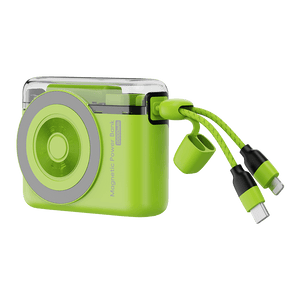
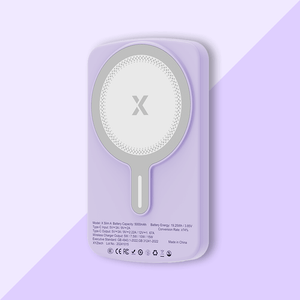
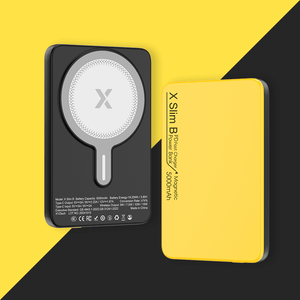
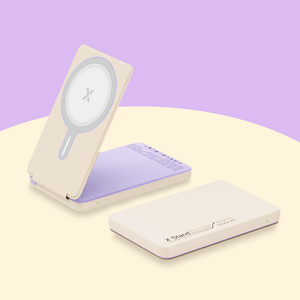
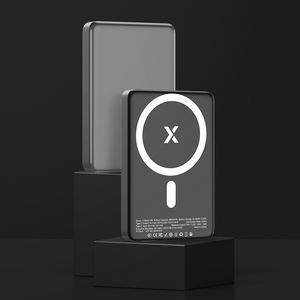
Whether you're using a magnetic phone mount, a MagSafe-compatible charger, or a wireless magnetic power bank, investing in reliable accessories helps you get the best charging experience. XYZtech's wireless magnetic power banks combine secure magnetic alignment, built-in safety protections, and portable power to keep your devices charged wherever you go.
Related Articles
What Is an N52 Magnet? Why It Matters for Wireless Charging
Wireless Charging Technology Explained: Power Up The Easy Way
Power Bank Safety: How to Choose a Safe & Reliable Power Bank


