

How to Live Without Electricity: Smart Ways to Live Without Power

When the lights go out, your routine shouldn't have to.
It usually happens at the worst time. You’re in the middle of cooking, working, or relaxing, and suddenly everything shuts off. No lights, no fan, no internet. Your phone battery starts dropping, and you realize how much your routine depends on power.
In moments like this, learning how to live without electricity becomes less about emergency thinking and more about keeping your daily life running without major disruptions.
Whether it’s a short or a longer outage, living without power doesn’t have to mean losing comfort, safety, or control. With the right preparation and habits, you can keep your daily routine running smoothly even when the grid isn’t.
In this blog:
- Understanding How to Live Without Electricity
- Power Backup Options: What Works and Why It Matters)
- A Simple Setup That Works for Most Homes
- Daily Habits That Make Living Without Power Easier
- Managing Life Without Draining Your Batteries
- Common Mistakes That Make Outages Harder
- Frequently Asked Questions
- So, How to Live Without Electricity? A Quick Recap.
Let’s get started!
Understanding How to Live Without Electricity and Why It Matters
Power interruptions can happen for many reasons, such as high demand, system overload, or infrastructure limitations. As energy becomes more strained and costly, these interruptions can happen more often or last longer than expected.
Knowing how to live without electricity means preparing for these situations in a practical way. It’s not about extreme survival; it’s about making sure your essentials, like communication, food, and comfort, continue working.
Power Backup Options: What Works and Why It Matters
The goal is simple: keep your essentials running, your phone, lights, internet, and basic appliances.
1. Power Banks: Your First Line of Defense
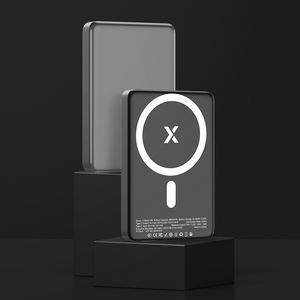
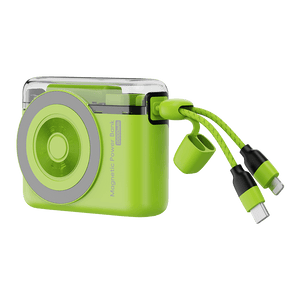
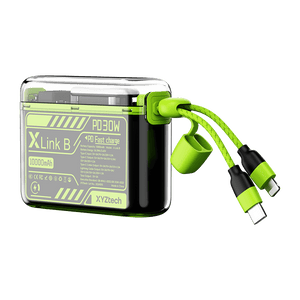
Power banks are portable batteries designed to charge phones and small devices. Your phone becomes your lifeline during outages, for updates, coordination, and communication. Once it dies, even a short outage can feel much longer and more stressful.
You lose access to contacts, information, and even simple things like a flashlight or navigation.
What to look for:
- Higher capacity (10,000–30,000mAh): more charges = more time to stay connected
- Fast charging: useful when power briefly returns
- Multiple ports: charge multiple devices at once
- Reliable quality: prevents overheating or failure when needed most
A simple habit when living without power, like keeping your power bank charged, can completely change how you experience outages. Learn more here: How Long Do Power Banks Last: The Truth About mAh
2. Portable Power Stations: Keeping Daily Life Running
Power stations are larger battery systems that can power multiple devices and small appliances. Outages don’t just affect phones, they stop your ability to work, study, stay connected, or even stay comfortable.
With a power station, you can:
- Your internet stays on
- You can continue working or studying
- Lights remain usable at night
- Basic comfort (like fans) continues
What to look for:
- Capacity (Wh): how long it can run devices
- Output options: ensures compatibility with different devices
- Recharge methods: useful if outages last longer
- Battery type: safer, longer-lasting systems perform better over time
Instead of everything stopping, your routine continues with fewer interruptions. To learn more, check our guide here: Power Bank for WiFi Router: Guide for Uninterrupted Connection!
3. Solar Power and Solar Charging: Extending Your Backup
Solar solutions allow you to recharge devices using sunlight. All backup batteries eventually run out. Without a way to recharge, your setup has limits. Though solar is slower, but reliable over time.
Solar doesn’t replace wall charging, but it extends your power:
- Charges devices during the day
- Preserves stored battery for night use
- Extend the life of your backup systems
- Supports longer outages
This makes it a practical long-term solution for how to live without electricity.
4. UPS and Home Backup Systems: Protection and Stability
A UPS (Uninterruptible Power Supply) provides instant backup for devices like computers and routers.
This matters because sudden outages can:
- Damage electronics
- Cause data loss
- Interrupt important work
Even a small UPS gives you time to save your work and safely shut down devices, protecting both your data and equipment.
A Simple Setup That Works for Most Homes
You don’t need to prepare for everything all at once. The most effective way to handle outages is to build your setup gradually, based on how long power interruptions usually last in your area.
-
Short outages (1–2 hrs) - Power bank:
- For brief outages, a single power bank is often enough to keep essential devices like your phone running. A dead phone turns a minor inconvenience into a bigger problem.
-
Medium outages (4–8 hrs) - Power bank + UPS:
- This setup keeps your connection stable and prevents sudden shutdowns that could damage devices or interrupt important tasks.
-
Longer outages (overnight+) - Add power station:
- At this stage, outages start affecting comfort and routine; lighting, fans, and small appliances become important. You can continue basic daily activities like working, studying, or staying comfortable at night without fully relying on the grid.
-
Long-term - Add solar support:
- Solar extends your power supply, allowing you to keep devices running over multiple days instead of just hours.
Each level builds on the previous one, creating a flexible system that matches your needs. Not all outages are the same. Preparing in layers prevents overspending while still keeping you ready.
You avoid unnecessary stress because your setup matches the situation, whether it’s a short interruption or a longer outage.
Daily Habits That Make Living Without Power Easier
These habits help you stay prepared without extra effort:
- Charge devices early in the day
- Reduce unnecessary energy use
- Plan charging schedules
- Avoid heavy appliance use
- Keep backup systems ready
These small actions ensure you’re always one step ahead instead of reacting late.
Without preparation:
- Devices die at critical moments
- Food goes to waste
- Daily tasks become harder
With simple habits, you stay connected, organized, and in control. This is what makes living without power feel manageable.
Managing Life Without Draining Your Batteries
As we learn how to live without electricity during long outages, the goal shifts from using power to preserving it.
1. Food Safety: The 4-Hour Rule
When power goes out, your refrigerator and freezer stop cooling. The “4-hour rule” means food inside a closed fridge stays safe for about 4 hours, while a full freezer can keep food frozen for up to 48 hours.
Why it matters: Once food warms up past a safe temperature, bacteria can grow quickly, even if the food still looks fine. Eating spoiled food can lead to illness, not just inconvenience.
How it helps in real life: Understanding this rule helps you decide what to eat first, what to save, and what to discard. It prevents both food waste and health risks.
Simple ways to apply it:
- Keep the fridge and freezer closed as much as possible
- Eat perishable food first
- Move important items to a cooler early if the outage looks long
Key idea: Managing temperature, not just storage, is the key to safe food during outages.
2. Lighting and Communication
Using energy-efficient lighting and backup communication tools instead of relying on high-power or risky options.
Why it matters: Not all light sources are equal. Some drain battery quickly, while others waste energy or pose safety risks.
How it helps in real life: Efficient lighting keeps your space usable without quickly draining your backup power, while communication tools keep you informed even if your phone dies.
Simple ways to apply it:
- Use LED lights or headlamps instead of candles
- Keep a battery-powered or hand-crank radio
- Use lighting only when needed
Key idea: The goal is not just to have light, but to use it efficiently so it lasts.
3. Water and Hygiene
Many homes rely on electricity to pump and deliver water, even if water supply itself is available.
Why it matters: When power goes out, water access may stop without warning. This affects drinking, cleaning, and sanitation.
How it helps in real life: Having stored water ensures you can still meet basic needs without stress or rushing to find alternatives.
Simple ways to apply it:
- Store water in buckets, containers, or large bottles
- Use stored water first during outages
- Keep wet wipes and hand sanitizer ready
Key idea: Water is not just about supply, it’s about access during outages.
4. Managing Temperature Without Electricity
Maintaining a livable indoor temperature without relying on powered systems like fans or air conditioning.
Why it matters: Discomfort from heat or cold can quickly turn into stress, poor sleep, or even health risks.
How it helps in real life: Simple adjustments can make your space feel significantly cooler or warmer without using electricity.
Simple ways to apply it in hot conditions:
- Close curtains to block sunlight
- Use airflow and manual fans
- Stay in shaded or cooler areas
In cold conditions:
- Wear layered clothing
- Stay in one room to trap heat
- Use blankets or enclosed spaces
Key idea: Controlling your environment manually helps maintain comfort when living without power.
5. Smart Logistics and Safety
Preparing for practical situations that often get overlooked during outages.
Why it matters: These small details can determine whether an outage feels manageable or stressful.
How it helps in real life: You avoid common frustrations like being unable to pay for essentials, access your garage, or know when power returns.
Simple ways to apply it:
- Keep small cash available
- Leave one light switched on to signal power returnLearn how to manually operate electric
- systems
- Keep important documents offline
Key idea: Preparation is not just about big tools, it’s about small, practical readiness.
6. Protecting Your Devices
Safeguarding electronics from sudden power surges when electricity comes back.
Why it matters: Power doesn’t always return smoothly. Sudden surges can damage or permanently break devices.
How it helps in real life: You avoid expensive repairs or losing important data.
Simple ways to apply it:
- Unplug sensitive devices during outages
- Use surge protectors or UPS systems
- Allow power to stabilize before reconnecting
Key idea: Protecting your devices is just as important as powering them.
Common Mistakes That Make Outages Harder
Blackouts are frustrating, but most of that frustration comes from avoidable errors. Here are some of the most common mistakes:
- Relying on only one backup source. Having a single power bank or generator creates a single point of failure. If that one device malfunctions or runs out of fuel/charge during a multi-day outage, you are back to zero.
- Buying low-quality power banks. Cheap, unbranded batteries often skip essential safety features like overcharge protection. Prioritize brands with certifications like UL, CE, or FCC to ensure they have been rigorously tested for safety.
- Not testing your setup. The worst time to realize your power station won't start or your power bank has lost its capacity is when the lights are already out. Perform a load test every few months, actually plug in your devices and see how long the backup lasts. Check starting batteries regularly, as they are the most common cause of backup system failure.
- Waiting too long to prepare. When a major storm or grid issue is announced, retailers sell out of essentials like generators, batteries, and fuel almost instantly. You’ll likely end up paying a premium for whatever leftover, low-quality stock is available, or worse, find yourself entirely empty-handed when the disruption begins.
Preparation only works if it’s reliable and ready.
Frequently Asked Questions
Is it possible to survive without electricity?
Yes, many communities around the world live with limited or no access to electrical systems. Daily life continues by adapting routines, using alternative tools, and preparing essential supplies ahead of time. With proper planning, it is possible to stay safe, organized, and comfortable even without modern power.
How to prepare for 72 hours without power?
Start by gathering enough food, water, and necessary medications to last several days. Devices should be fully charged, and backup options like power banks and lighting should be ready before any outage begins. Planning ahead ensures that basic needs are met without unnecessary stress.
How to prepare for an energy crisis?
Preparation involves reducing dependence on electricity while building reliable alternatives. This includes backup power solutions, stored supplies, and efficient daily habits. With these in place, disruptions become easier to manage without significantly affecting daily life.
What's the cheapest way to survive without electricity?
Affordable solutions focus on essentials like simple cooking tools, dry food storage, and basic charging options such as small solar panels or car charging. Careful planning and prioritizing needs help maintain comfort without requiring large investments.
So, How to Live Without Electricity? A Quick Recap.
Understanding how to live without electricity comes down to preparation, reliable backup systems, and simple daily habits that reduce disruption. Most challenges happen because of heavy reliance on power, but with the right tools and routines, daily life can continue with minimal interruption.
Key Takeaways
- Start with a power bank and build toward larger backup systems
- Use a layered approach: power bank - UPS - power station - solar
- Protect essentials like food, water, and communication first
- Build daily habits that reduce energy dependence
- Test and maintain your setup regularly
With the right preparation, living without power becomes much easier to manage. Small, practical steps can help you stay comfortable, connected, and in control even when electricity isn’t available.
Related Articles
Energy Crisis Prep: Stay Powered with Backup & Smart Tips
Portable Power Station: Top 10 Features to Look For
Exploring Different Types of Power Banks: Picking the Right One


