

Wired vs Wireless Charging: Which Method Should You Choose?

Smartphone charging has quietly evolved over the years. What once required a simple cable connection can now be done by just placing your phone on a charging pad or snapping it into a wireless power bank. No plugging in, no cables—just set it down and let it power up.
That convenience has made wireless charging technology increasingly popular. But popularity doesn’t automatically mean it’s the best option for everyone.
When it comes to wired vs wireless charging, the real question isn’t which one is more modern. It’s which one actually works better for your daily routine, your devices, and the way you prefer to charge. Understanding the trade-offs between wireless charging vs wired charging is key to finding the right fit for your lifestyle.
In this article, we’ll break down how wired and wireless charging work, their pros and cons, and which method might suit your daily habits best. By the end, you’ll have a clearer idea of which option fits your lifestyle.
Let’s get started!
The Charge Anatomy: How Wired vs Wireless Charging Work
Before we go on choosing either side, we need to understand the "how" of each. It’s not just "electricity goes in, battery goes up."
Wired Charging: The Direct Pipeline
Wired charging is the old faithful. It uses a physical connection—usually USB-C or Lightning—to transfer electricity directly from a power source to your phone’s battery. Because the copper wires are physically touching, there is very little "leakage." It’s a direct, high-speed highway for electrons.
Wireless Charging: The Magnetic Handshake
Wireless charging (most commonly the Qi standard) uses inductive charging. Inside your charger is a transmitter coil, and inside your phone is a receiver coil. When they meet, the charger creates an alternating electromagnetic field. Your phone’s coil catches this field and converts it back into electricity. It’s basically a high-tech game of "catch," but with energy instead of a ball.
Understanding these underlying mechanics helps clarify why wireless vs wired charging performance can differ so significantly in speed, efficiency, and everyday usability.
Wired vs Wireless Charging: Pros, Cons, and Key Differences
Choosing between wired and wireless charging often comes down to your daily routine. To help you decide, below we explore the pros and cons of each method so you can better understand the wired vs wireless charging landscape.
Understanding Wired Charging
Wired charging, the method everyone is familiar with, works by connecting your phone to a power source using a cable—usually USB-C, Lightning, or micro-USB depending on the device. Electricity travels through the cable directly into the phone’s battery. Because the energy transfer is direct and controlled, wired charging has traditionally been the fastest and most efficient way to charge a device.
Most modern smartphones also support some form of fast charging, which increases the power delivered through the cable. With the right charger and cable combination, many phones can reach around 50% battery in roughly 30 minutes. That’s one reason wired charging continues to dominate in situations where speed matters most.
👍Advantages of Wired Charging
-
Faster Charging Speeds - Speed is where wired charging shines. Many wired chargers today support high wattage outputs such as 18W, 30W, 65W, or even higher for certain devices. This allows phones to recharge much faster compared to most wireless options.
If you often find yourself charging your phone right before heading out, wired charging can make a big difference. -
Greater Energy Efficiency - Because the electricity flows directly through the cable, very little energy is lost during the transfer. Wireless charging, on the other hand, involves energy conversion and transmission through electromagnetic fields, which introduces some energy loss.
In practical terms, wired charging typically converts more of the electricity into usable battery power. - More Widely Compatible - Nearly every portable device supports wired charging. Phones, tablets, earbuds, power banks, cameras, and even laptops rely on cables. This makes wired charging the most universal charging method available.
- Reliable Connection - Once the cable is plugged in, the device charges consistently without needing precise alignment or positioning. This reliability makes wired charging particularly useful when you're actively using your phone while charging.
👎Disadvantages of Wired Charging
- Cable Clutter - Cable clutter is one of the biggest complaints. Multiple devices often mean multiple cables, which can quickly turn desks or bedside tables into a tangle of cords.
- Wear and Tear - Cables also wear out over time. Fraying wires, bent connectors, and loose ports are common issues that many users eventually experience.
- Limited Cable Length - Charging cables have a fixed length, which can restrict where and how comfortably you use your device while it’s plugged in. If the outlet is far away or placed awkwardly, you may find yourself adjusting your position just to keep the phone connected.
- Cable and Adapter Compatibility - Charging speed and compatibility often depend on using the correct cable and power adapter. Not all cables support fast charging, and mismatched chargers can result in slower charging speeds or inconsistent performance. This means users may need to pay closer attention to the accessories they use.
Understanding Wireless Charging
Wireless charging offers a completely different experience. Instead of using a cable, your phone charges through electromagnetic induction. A charging pad creates an electromagnetic field that transfers energy to a coil inside the phone, which converts it into power for the battery. All you have to do is place your phone on the pad, and charging begins.
This technology is widely based on the Qi wireless charging standard, which many modern smartphones support. Wireless charging has become increasingly popular because it emphasizes simplicity and convenience. To better appreciate where this method fits into daily use, it helps to consider wireless charging vs wired charging across factors like speed, efficiency, and real-world practicality.
👍Advantages of Wireless Charging
-
Convenience and Ease of Use - Wireless charging removes one small but surprisingly annoying step: plugging in a cable. You simply set your phone down on the charger.
This makes it ideal for bedside tables, office desks, and living rooms, where you may frequently pick up and put down your phone. Over time, many users appreciate how seamless the process feels. - Reduced Wear on Charging Ports - Because you aren’t constantly plugging and unplugging cables, wireless charging can help reduce wear on your phone’s charging port. This may help extend the lifespan of the port and prevent issues like loose connectors.
- Cleaner and Minimalist Setup - Wireless charging stations often create a cleaner look compared to having multiple cables everywhere. Some charging pads can even charge multiple devices at once—like your phone, earbuds, and smartwatch—keeping your desk organized.
-
Increasing Compatibility - Wireless charging support is becoming more common in modern smartphones. Many flagship devices and an increasing number of mid-range phones now support it.
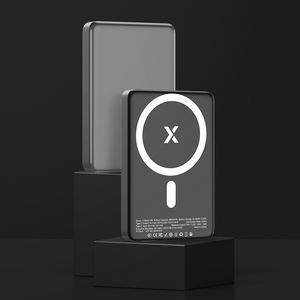
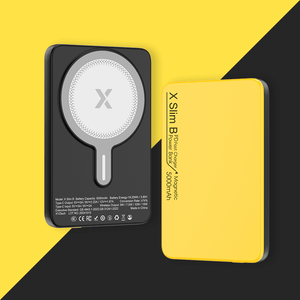
Some portable chargers also include built-in wireless charging pads, allowing you to power your phone without cables, even while traveling.
👎Disadvantages of Wireless Charging
-
Slower Charging Speeds - In most cases, wireless charging is still slower than wired charging. While newer wireless chargers have improved significantly, many still operate at lower wattages compared to wired fast chargers.
If you’re in a hurry, plugging in a cable usually gets the job done faster. -
Alignment Matters - For wireless charging to work efficiently, the phone needs to be properly aligned with the charging coil. If the phone is slightly off-center, charging may slow down or stop entirely.
Some newer magnetic charging systems, like those Qi2-certified wireless chargers, help with alignment, but this issue can still occur with standard wireless pads. - Less Efficient Energy Transfer - Wireless charging loses some energy during the transfer process. This means a bit more power is used to deliver the same amount of battery charge compared to wired charging. In everyday use, the difference is usually small, but it does exist.
- Limited Use While Charging - With wired charging, you can comfortably hold and use your phone while it charges. With wireless charging, lifting the phone off the pad stops the charging process. This makes it less practical if you’re actively using your device.
Key Difference Overview
After looking at how both charging methods work and where they shine, it can also help to see the differences side by side. Whether you prioritize speed, convenience, or daily practicality, understanding wired charging vs wireless comes down to how each performs across the factors that matter most to you. The table below offers a quick overview of how wired and wireless charging compare across several key factors.
|
Category |
Wired Charging |
Wireless Charging |
|
Charging Speed |
Typically faster, especially with fast-charging technologies that deliver higher wattage. |
Generally slower than wired charging, though newer wireless chargers have improved speeds. |
|
Convenience |
Requires plugging and unplugging a cable each time you charge. |
Simply place the phone on a charging pad—no cables needed. |
|
Energy Efficiency |
More efficient because power is delivered directly through the cable. |
Slightly less efficient due to energy loss during wireless power transfer. |
|
Ease of Use While Charging |
You can easily use your phone while it’s plugged in. |
Picking up the phone usually stops charging unless it’s a magnetic wireless setup. |
|
Portability |
Ideal for portable chargers and travel since cables provide a stable connection. |
Less practical on the move since the phone must stay aligned with the charging pad. |
|
Device Compatibility |
Universally supported by nearly all smartphones and portable devices. |
Only works with devices that support wireless charging. |
|
Cable/Port Wear |
Frequent plugging may cause wear on cables or charging ports over time. |
Reduces wear on charging ports since no cable connection is required. |
|
Desk or Nighstand Setup |
Can create cable clutter if multiple devices are charging. |
Often creates a cleaner, more organized charging space. |
Wireless Charging vs Wired Charging: Which Is Best for You?
Choosing between wired and wireless charging isn’t really about picking a single winner. It’s more about understanding how you typically charge your devices and what matters most in your daily routine. Whether you lean toward the simplicity of going cable-free or the reliability of a physical connection, the wireless vs wired charging decision ultimately depends on your habits and preferences.
Some people prioritize speed. Others prefer convenience or a cleaner setup. Looking at your usual charging habits can help you decide which method works best for you.
👉If You Value Speed
Wired charging is still the better option when charging speed matters most. Fast wired chargers deliver power directly to your device, allowing it to recharge much faster. This makes them ideal when you only have a short window to top up your battery before heading out or between busy parts of your day.
👉If You Prefer Convenience
Wireless charging stands out for ease of use. Instead of plugging in a cable every time, you simply place your phone on a charging pad. This small change can make charging feel more effortless, especially in places where your phone naturally rests, like your desk or bedside table.
👉If You Travel or Use Power Banks Often
For users who frequently rely on portable chargers, wired charging tends to be more practical. A cable connection provides a stable charge while you're moving around, commuting, or carrying devices in a bag. Wireless charging power banks are available, but keeping the phone aligned with the charger can be less convenient on the go.
👉If You Want a Cleaner Setup
Wireless charging can also help reduce cable clutter. A charging pad or multi-device station can power several devices while keeping your desk or nightstand looking organized.
The Practical Approach: Using Both When It Makes Sense
In many cases, you don’t actually have to choose just one method. Most modern smartphones support both wired and wireless charging, allowing you to use whichever option fits the moment.
For example, you might:
- Use wired charging during the day when you need fast power.
- Use wireless charging at night for effortless overnight charging.
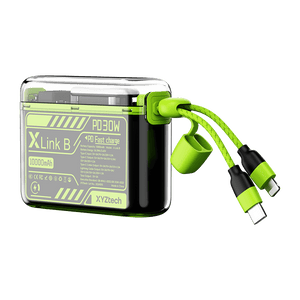
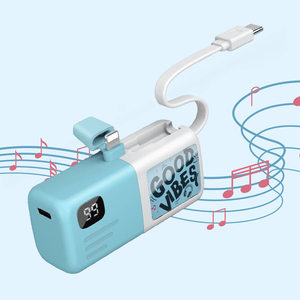
- Keep a power bank with a cable for travel or emergencies.
This flexible approach often ends up being the most practical. Instead of thinking about wired and wireless charging as competing options, it can be more helpful to see them as two tools that solve different charging needs. And when used together, they can make keeping your devices powered up a lot more convenient.
Final Thoughts
Wired and wireless charging each offer their own advantages. Wired charging stands out for speed, efficiency, and reliability, while wireless charging focuses on convenience and simplicity.
Rather than asking which one is better overall, it’s more useful to consider how you usually charge your devices. When evaluating wired vs wireless charging, the choice often comes down to whether speed or ease of use matters more in the moment. If you need quick power throughout the day, wired charging is hard to beat. If you prefer a cleaner and more effortless setup, wireless charging can be a great addition.
For many users, the most practical solution is simply using both when the situation calls for it. This approach allows you to get the best of wireless charging vs wired charging—enjoying the speed of a cable when you need it and the convenience of going cable-free when you don’t.
Frequently Asked Questions
Q: Can I use both wired and wireless charging at the same time to charge faster?
No, modern smartphones are designed to prioritize one power source at a time to protect the internal circuitry. If you plug in a cable while the phone is on a wireless pad, the device will almost always disable the wireless input and default to the faster wired connection.
Q: Is wireless charging less safe than wired charging?
Both methods are very safe as long as you use certified hardware (like Qi-certified pads or MFi-certified cables). The main safety difference is that wireless charging generates more surface heat, but built-in thermal management systems in your phone will automatically slow down the charge if the device gets too warm.
Q: Is it safe to leave my phone on a wireless charger overnight?
Yes, it's generally safe. Modern smartphones and Qi-certified chargers communicate with each other to prevent overcharging. Once the battery reaches 100%, the charger will stop sending power and only "top up" occasionally as the battery naturally drains. Just ensure the charger is from a reputable brand to avoid overheating risks.


