

Energy Crisis Prep: Stay Powered with Backup & Smart Tips

The goal isn’t to power everything, it’s to stay functional.
Today, electricity depends on things we can't control, like fuel prices and supply chains. When costs go up or the system gets strained, we feel it through higher bills and sudden power cuts. But you don't have to be a "prepper" to be ready.
Preparing for an energy crisis is simply about having a backup plan. By using a battery backup for home, you can keep your phone charged, your Wi-Fi on, and your family safe, to keep your daily life running with fewer interruptions.
In this blog, we will discuss:
- Why an Energy Crisis Affects Your Daily Life
- What Actually Happens During a Power Outage
- What You Should Prioritize First: Not Everything—Just What Matters
- Build Your Battery Backup for Home Step by Step
- Battery Backup for Home Options: What Works, When You Need It, and Why It Matters
- How to Survive Without Electricity
- When Basic Backup Isn’t Enough (And When to Upgrade Your Setup)
- Safety Tips That Matter During Outages (And Why They Matter)
- Common Mistakes That Make Things Worse
- A Simple Setup That Works for Most People
- Frequently Asked Questions
- So, How to Prepare for an Energy Crisis? A Quick Recap.
Let’s get started!
Why an Energy Crisis Affects Your Daily Life
Energy crises are often triggered by a mix of factors: rising fuel prices, geopolitical instability, supply chain disruptions, and increased demand for electricity. When fuel costs rise, it becomes more expensive to generate and transport electricity. This affects everything, from household bills to the availability of power.
Understanding these causes matters because it helps you prepare smarter. If you know that supply can become unstable, investing early in a battery backup for home or exploring solar power with battery storage can prevent sudden disruptions when outages happen.
Common Causes of Energy Crisis and Why They Matter
Here are the common causes and why understanding them leads to better preparation.
1. Rising Fuel Costs and Energy Production
Electricity generation often relies on fuel. When fuel prices increase, producing electricity becomes more expensive.
This matters because:
- Utilities may adjust prices
- Supply may become limited
- Households feel the impact through higher bills
2. Power Grid Strain and High Demand
When too many people use electricity at the same time, the system becomes strained.
This leads to:
- Rolling brownouts
- Temporary outages
- Reduced electricity availability
3. Limited Backup Systems in Households
Many homes rely entirely on the main power supply without backup.
Why this matters:
- Even short outages can disrupt work and communication
- Essential devices stop working immediately
- Daily routines become harder to manage
What you can do:
- Reduce unnecessary energy use and charging essential devices early in the day.
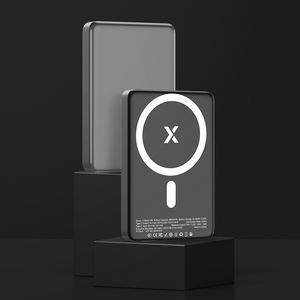
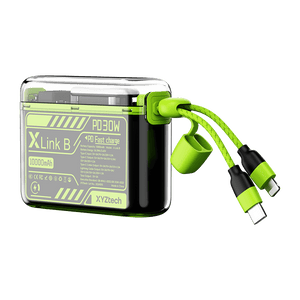
- Keep a portable cell phone power bank for immediate needs.
- Use an uninterruptible power source to protect your computer and Wi-Fi during sudden outages.
- For longer interruptions, investing in a battery backup for home or solar power with battery storage helps maintain comfort and stability.
What Actually Happens During a Power Outage
When electricity goes out, a few things happen almost immediately:
- Your phone becomes your main connection to updates and people
- Internet access becomes limited or unstable
- Food storage becomes time-sensitive
- Heat and airflow become uncomfortable
- Charging options become limited very quickly
This is why preparation matters. Without a plan, even a short outage can interrupt work, communication, and basic comfort. It doesn’t have to be extreme to be disruptive. Even a two-hour blackout can derail a workday or spoil a grocery run if you aren’t ready.
What You Should Prioritize First: Not Everything—Just What Matters
Instead of trying to power your entire home, focus on what your battery backup for home should support to keep your environment safe and your day intact:
- Medical & Safety - CPAP machines, monitors, and path-lighting.
- Communication - Phone battery and emergency updates.
- Connectivity - Router/Modem for work and coordination.
- Basic Comfort - Rechargeable fans or light cooking.
Once these are covered, everything else becomes easier to manage
Quick Survival Checklist: The First 10 Minutes
Before you dive into backup gear, do these four things to stay safe and functional:
✅ Prioritize Safety: Use a headlamp or LED lantern to light hallways and stairs to prevent trips.
✅ Protect Electronics: Unplug computers and large appliances to avoid damage from power surges when the grid comes back online.
✅ Lock in the Cold: Keep your fridge and freezer doors closed. A closed fridge keeps food safe for 4 hours; a full freezer for 48 hours.
✅ Check Your Comms: If cell service is patchy, switch to a battery-powered or hand-crank radio for emergency weather and local news updates.
Build Your Battery Backup for Home Step by Step
Preparing for power interruptions doesn’t mean setting up a full system overnight. Most people build their setup gradually based on what they actually need.
1. If You Just Need to Stay Connected (Most People)
What works if your main concern is communication:
- 1–2 portable cell phone power bank (10,000–20,000mAh)
- Charging cables
What this realistically gives you:
- 10,000mAh - about 1 to 1.5 full charges (wired)
- 20,000mAh - about 2 to 4 charges (wired)
Why not exact? Because energy is lost during charging, and even more if you use wireless charging. Learn more here: How Long Do Power Banks Last: The Truth About mAh
This setup is enough for 1–2 days of basic phone use, like messaging, calls, and occasional data. It’s enough for short-term communication needs, but it’s still limited. This is where upgrading to a battery backup for home becomes more practical for longer outages.
2. If You Work or Study From Home
What works if losing power means losing productivity:
- Power bank (for phone backup)
- Uninterruptible power source (UPS) for router or computer
Why this matters:
-
A UPS gives you a few minutes to:
- save files
- send messages
- shut down safely
Without it, everything shuts off instantly. Even 5–10 minutes of backup can prevent hours of lost work.
3. If Outages Last Several Hours
What works if brownouts last longer than expected:
- Battery backup for home (portable power station)
This can run:
- Phones
- Wi-Fi
- Lights
- Small fan
Why it matters:
- You don’t have to keep recharging small devices
- You get more stable and longer-lasting power
This is where you move from “coping” to actually staying comfortable. A battery backup for home allows you to power multiple essential devices for hours, making it one of the most practical solutions during repeated or longer outages.
4. If Someone Relies on Medical Devices (Like CPAP)
This is critical, and often overlooked. Here’s what you need to know:
- A CPAP machine requires consistent and higher power output
- A regular power bank is NOT enough
What works:
- High-capacity power station (battery backup for home)
- Generator (if available)
What you should prepare:
- Know the power requirement (watts) of the device
- Identify nearby hospitals or backup locations
- Keep a dedicated backup, not shared with other devices
In this situation, preparation is not optional, it’s essential.
Battery Backup for Home Options: What Works, When You Need It, and Why It Matters
Best for: phones, small devices
When you need it: short outages, daily use, emergencies
Why it matters: Your phone becomes your lifeline during an outage, for updates, communication, and coordination. Without backup power, you risk being completely cut off within hours.
A power bank solves the most immediate problem: staying connected when everything else goes down
It’s also the easiest to use, no setup, no installation, and useful even outside emergencies.
-
Uninterruptible Power Source (UPS)
Best for: computers, Wi-Fi routers
When you need it: sudden outages while working or studying
Why it matters: Power interruptions are often instant. Without a UPS:
- your computer shuts down abruptly
- files may get corrupted
- ongoing work is lost
A UPS gives you a short window (usually a few minutes) to:
- save your work
- send important messages
- shut down devices properly
It doesn’t keep you running long, but it prevents immediate damage and loss, and works best when paired with a battery backup for home for extended outages.
Best for: multiple devices, longer outages
When you need it: outages lasting several hours or more
Why it matters: Power banks are limited to small devices. Once you need to power:
- a fan
- Wi-Fi
- lights
- laptops
—you need something stronger. A battery backup for home provides:
- longer runtime
- stable output
- the ability to power multiple essentials
This is what moves you from “just getting by” to staying comfortable. To learn more, check our guide here: Power Bank for WiFi Router: Guide for Uninterrupted Connection!
Best for: long-term stability and cost control
When you need it: recurring outages or rising electricity costs
Why it matters: Electricity supply can become unpredictable. Solar reduces your dependence on external sources by letting you generate your own power.
However:
- it requires higher upfront investment
- it takes time to see full benefits
It’s not your first step, but it’s one of the most sustainable long-term solutions.
-
Generator
Best for: powering large appliances or entire homes
When you need it: extended outages or critical needs
Why it matters: Generators can run:
- refrigerators
- air conditioning
- medical equipment
But they rely on fuel. If fuel becomes expensive or limited:
- operating costs increase
- usage becomes restricted
It’s powerful, but not always practical for long-term everyday use
How to Survive Without Electricity
Even with a battery backup for home, it’s still important to adjust how you use power during outages to make your backup last longer.
During an outage:
- your phone battery becomes limited
- charging opportunities become rare
- nighttime becomes more difficult without lighting
- heat and airflow become uncomfortable
-
food storage becomes time-sensitive
What helps in real life:
- Use daylight as much as possible
- LED lanterns or headlamps for hands-free movement.
- Keep fridge doors closed (4 hours for fridge, 48 for freezer) to preserve cold air.
- Limit phone use to essential communication
- Stay in the coolest part of your home
- Charge devices as early as possible
- Analog communication. Prepare a battery-powered or hand-crank radio for news when cell towers are congested.
The goal is not just to save power, but to stretch comfort and safety.
When Basic Backup Isn’t Enough (And When to Upgrade Your Setup)
A simple setup works for many situations, but not all, and this is where upgrading to a battery backup for home becomes necessary.
- Outages last longer than a few hours - A power bank alone may run out quickly, leaving you without power overnight
- You rely heavily on internet or devices - Work, school, or communication can be disrupted without stable backup
- You work or study from home - Sudden shutdowns can interrupt meetings, deadlines, or important tasks
- You have essential devices that must stay powered - This includes medical equipment or anything that cannot be interrupted
Why this matters: Basic backup (like a single power bank) is designed for short-term use. As your needs increase, relying on it alone can create gaps, especially during longer or repeated outages.
Start simple, then upgrade based on real experience, not assumptions.
Safety Tips That Matter During Outages (And Why They Matter)
- Avoid candles - they are a common cause of house fires during outages
- Use rechargeable lights - safer and more reliable
- Unplug appliances - prevents damage from power surges when electricity returnsKeep devices ventilated - reduces overheating risks
During outages, small safety mistakes can become bigger problems than the outage itself.
Common Mistakes That Make Things Worse
- Relying on one backup leaves you vulnerable if it fails
- Buying cheap power banks - may overheat or stop working when needed most
- Waiting too long - supplies become harder to get during widespread outages
- Not testing your setup - you won’t know if it works until it’s too late
Preparation is only useful if it actually works when needed.
A Simple Setup That Works for Most People
You don’t need everything at once. Build based on how long outages affect you.
- Short outages (1–2 hrs) - Power bank is enough
- Medium outages (4–8 hrs) - Add UPS + power bank
- Long outages (overnight+) - Add power station
- Long-term planning - Consider solar
Even starting with one reliable power bank already puts you ahead of most households.
Frequently Asked Questions
How can I survive without electricity for several days?
Surviving without electricity involves planning ahead and using alternative resources for lighting, communication, and food. Keeping power banks, stored food, and water ensures basic needs are covered. Adapting simple habits, such as conserving phone usage and using battery, powered lights, helps maintain comfort and safety.
What is the best backup power for homes?
A reliable home backup usually includes battery systems, solar setups, or portable generators depending on your needs. These options provide electricity during outages and can power essential devices. Choosing the right system depends on your budget and the amount of energy you need to support.
Is a power bank enough during a blackout?
A power bank is helpful for charging phones and small devices but may not support larger appliances. It works best as part of a broader preparation plan that includes other backup solutions. Using multiple tools together ensures better readiness during extended outages.
How do I prepare my home for an energy crisis?
Preparing your home involves building a supply of essential items like food, water, and lighting, as well as having backup power options. Reducing energy use and keeping devices charged also helps. Small habits and preparation steps make a big difference when electricity is unavailable.

So, How to Prepare for an Energy Crisis? A Quick Recap.
Power interruptions and rising electricity costs usually come down to a few key things: higher fuel prices, increased demand, and limited supply. During an energy crisis becomes less about reacting in the moment and more about having simple systems in place that keep your daily routine running.
Key Takeaways
- Focus on essentials first: phone, internet, lighting, and basic cooling
- Start small with a portable cell phone power bank, then build toward reliable battery backup for home
- Use tools like a UPS, solar power bank, or generator to prevent disruptions. Adjust daily habits to conserve power and extend battery life
- Preparation works best when it’s simple, practical, and tested ahead of time
With the right setup and a few consistent habits, most power interruptions become manageable. It doesn’t require a complete overhaul, just the right preparation to stay connected, comfortable, and in control.
If you have your own tips or small habits that help during outages, feel free to share them. Sharing is caring, and your experience might make things easier for someone else, too.
Related Articles
Portable Power Station: Top 10 Features to Look For
Exploring Different Types of Power Banks: Picking the Right One
How Do Solar Power Banks Work: Your Reliable Travel Charger!


