

Southeast Asia Packing List: Avoid These Packing Mistakes

Building the right Southeast Asia packing list is less about preparation for every possible situation and more about understanding how travel actually works in the region.
Most first-time backpackers either overpack out of uncertainty or underpack without considering heat, humidity, and long travel days. Both lead to unnecessary stress.
The reality is simple: Southeast Asia is extremely traveler-friendly. Laundry is cheap, essentials are widely available, and most items you forget can be replaced locally. What matters is packing light enough to move easily, but smart enough to stay comfortable day to day.
This guide breaks down a practical backpacking Southeast Asia packing list, what to avoid, and how to build a lighter, smarter backpack for long-term travel.
In this blog:
- Why Your Southeast Asia Packing List Matters
- Understanding the Climate Before You Pack
- Southeast Asia Packing List (Long-Term Essentials)
- Useful Travel Extras Most Travelers Appreciate Later
- What NOT to Include in Your Backpacking Southeast Asia Packing List
- How to Prevent Overpacking Before Your Trip
- When You May Need Specialized Gear
- Frequently Asked Questions
- So, What Should Be in Your Southeast Asia Packing List?
Let’s get started!
Why Your Southeast Asia Packing List Matters
Travel in Southeast Asia involves constant movement, buses, ferries, hostels, uneven sidewalks, and long walks in hot, humid weather. Even a small increase in backpack weight becomes noticeable after repeated travel days.
At the same time, packing too light without understanding the region can leave you unprepared for:
- strong sun exposure
- sudden rain
- mosquitoes
- temple dress codes
- strong air-conditioning
A good backpacking Southeast Asia packing list is not about quantity, it’s about repeat usability. You want a system where you wear, wash, and repeat with ease.
Understanding the Climate Before You Pack
Most of Southeast Asia is hot, humid, and sweaty year-round. Even light clothing can feel heavy after walking outside for a short time. This changes how you pack:
- Clothes don’t just get worn, they get washed frequently
- Drying speed matters more than style
- Cotton becomes less practical due to slow drying
Air-conditioning is another major factor. Buses, airports, and hostels can feel cold compared to outside heat, making lightweight layers essential.
Weather can also vary slightly depending on where you go. Northern Vietnam or mountain areas in Thailand can feel cooler at night, while islands and coastal areas stay consistently warm.
In short, you are not packing for one climate; you are packing for constant temperature shifts.
Southeast Asia Packing List (Long-Term Essentials)
1. Essential Travel Documents You Should Never Forget
Your documents matter more than any clothing item in your bag. At minimum, you need:
- Passport (valid for 6+ months)
- Travel insurance details
- Bank cards (at least 2 stored separately)
- Emergency cash in a separate place
- Digital + printed copies of key documents
Passport and Travel Copies. Your passport should remain valid for at least six months beyond your travel dates. It is also smart to carry printed and digital copies of important documents like visas, insurance, flight bookings, and accommodation confirmations.
Bank Cards and Emergency Cash. Bring at least two cards stored separately from each other. Losing access to money while abroad becomes far more stressful when your only card disappears.
Many experienced travelers also recommend carrying emergency cash in a hidden location for situations involving lost wallets, ATM issues, or unexpected transport delays.
Travel Insurance. Medical treatment abroad can become expensive quickly, especially after accidents involving scooters, hiking, or food-related illness. Travel insurance may feel unnecessary before the trip, but many travelers become grateful they bought it once something unexpected happens.
Important Tip: One detail many travelers overlook is protection from humidity and water damage. A simple zip pouch for your passport and documents can prevent unnecessary problems in rainy seasons or boat travel. Also, always assume one item might be lost. That’s why backups matter more than upgrades.
2. Clothing Strategy: Pack Less, Wash More
Most first-time travelers overpack clothing. The reality is you don’t need many outfits, you need a rotation system.
Approach most travelers use:
- Pack for 3–5 days of wear
- Wash frequently (sink wash or cheap laundry)
- Choose quick-dry fabrics only
- Avoid anything that takes more than a day to dry
Simple clothing setup:
- 3–5 lightweight shirts
- 2–3 shorts (preferably quick-dry)
- 1 light long pants (temples, transport, mosquito protection)
- 1 lightweight long sleeve layer (air-conditioning)
- 1 set of sleepwear
- 1 swimwear (or multipurpose shorts)
Heavy items like jeans or thick hoodies usually end up unused and take too long to dry.
Lightweight Shirts and Breathable Tops. Four or five lightweight tops are usually enough for long-term travel. Quick-dry fabrics work especially well because they dry faster after washing and stay more comfortable in humidity. Cotton may feel nice initially, but it tends to stay damp much longer in tropical climates.
Shorts, Pants, and Temple-Friendly Clothing. Two or three pairs of shorts are typically enough for daily wear. Many travelers also bring one lightweight pair of long pants for cooler transport rides, mosquito protection, and temple visits. Loose, breathable pants also help during intense sun exposure.
A Lightweight Jacket or Hoodie. Even though Southeast Asia is hot, buses and flights can become freezing because of strong air-conditioning. A thin hoodie, fleece, or lightweight jacket becomes surprisingly useful during overnight transport. Heavy hoodies and thick jackets usually end up sitting unused at the bottom of the bag.
Swimwear. At least one pair of swimwear is worth packing because beaches, waterfalls, pools, and island hopping are common throughout the region. Some travelers prefer shorts that can double as swimwear to reduce how many items they carry.
3. Footwear (Keep It Minimal)
Shoes are one of the easiest places to accidentally overpack. Most long-term travelers end up rotating between just two types of footwear.
- Sandals or Flip-Flops (daily life, showers, beaches, short walks). Sandals are practical for beaches, hostels, showers, and daily walking in hot weather. Many travelers discover they wear sandals more often than closed shoes because of the heat and humidity.
- Lightweight sneakers or running shoes (travel days, walking, light hiking). A lightweight pair of sneakers or running shoes is usually enough for flights, cities, hikes, and cooler evenings. Bulky hiking boots often become unnecessary unless you specifically plan serious trekking.
4. Toiletries and Hygiene
One common packing mistake is bringing full-sized toiletries. Most hygiene products are easy to buy locally throughout Southeast Asia, including shampoo, soap, sunscreen, and toothpaste.
- Keep Toiletries Minimal. Bring small travel-sized essentials for your first few days and restock later as needed. Heavy liquid bottles add unnecessary weight quickly.
- Menstrual Products and Personal Hygiene. For travelers building a Southeast Asia packing list female, reusable menstrual products can help reduce space and repeated purchases during long-term travel. Quick-dry towels or sarongs also tend to work better than bulky cotton towels.
- Laundry Essentials. Laundry services are affordable across most Southeast Asian destinations, but small detergent sheets or travel soap can still be useful for washing smaller items in sinks.
5. Electronics Worth Bringing And What Usually Becomes Dead Weight
Electronics can easily become one of the heaviest parts of your bag. Here’s what actually matters:
- Phone + charger. Your phone will likely become your map, translator, booking system, camera, and communication tool throughout the trip.
- Long charging cable (very important in hostels). Long charging cables are surprisingly helpful in hostels where outlets may be far from beds.
- Universal adapter. Southeast Asia isn’t one single plug type. A universal adapter keeps you covered across different countries, so you don’t have to worry about compatibility when moving between borders.
- Power bank (for travel days). A reliable power bank becomes extremely useful during long buses, ferries, island trips, or days spent exploring. This is especially important if you rely heavily on your phone for navigation or digital tickets.
If you’re flying between countries in Southeast Asia, keep in mind that power banks are generally allowed in carry-on luggage but not in checked baggage. Airlines also usually have a capacity limit (commonly up to 100Wh, which covers most small and mid-sized power banks), so it’s best to check your airline’s specific rules before traveling.
Keeping it in your hand-carry ensures you can use it throughout your journey without issues at security. Learn more here: Power Bank in Airplane Travel: What’s Allowed and What’s Not
Camera vs Smartphone
Many travelers initially bring large cameras but eventually rely mostly on their phones instead. Unless photography is a major hobby, your smartphone may already be enough for most travel situations.
6. Health and Medical Essentials
Small medical items can make a huge difference during long-term travel.
- Basic Medications. Bring medications you already know work well for you, especially for headaches, allergies, motion sickness, or stomach problems. Food changes, heat, dehydration, and long transport days can affect even experienced travelers.
- Mosquito Protection and Sunscreen. Mosquito repellent and sunscreen become daily essentials in many parts of Southeast Asia. Strong sun exposure catches many first-time travelers off guard, especially during island trips or motorbike rides.
- Rehydration Sachets. Heat and humidity can drain energy quickly. Rehydration packets are particularly useful after long outdoor activities, food illness, or intense sweating.
Useful Travel Extras Most Travelers Appreciate Later
Some small items seem unnecessary until you suddenly need them.
- Earplugs and Eye Masks. Hostels, overnight buses, and shared accommodations can become noisy. Earplugs and eye masks often improve sleep far more than expected.
- Packing Cubes. Packing cubes help organize clothing and reduce the frustration of constantly unpacking your entire bag.
- Reusable Water Bottle. Staying hydrated becomes extremely important in tropical climates. A reusable bottle also helps reduce plastic waste during long-term travel.
- Dry Bag or Waterproof Pouch. Boat trips, tropical rain, and beach travel can expose electronics and documents to water unexpectedly.
For Women: Modest Clothing for Temples and Local Culture.
Many temples require shoulders and knees to be covered before entering. Lightweight dresses, loose pants, or shawls help make this easier without feeling too hot.
- Comfortable Lightweight Dresses. Loose, breathable dresses are popular because they stay cool while still feeling comfortable for restaurants, cities, and cultural sites.
- Safety and Convenience Items. Some female travelers prefer carrying door locks, whistle alarms, or hidden pouches for extra peace of mind, although many also report feeling generally safe throughout Southeast Asia.
-
The Sarong. A sarong is one of the most versatile items you can bring, or buy locally. It can be used as:
- Towel
- Beach mat
- Temple cover-up
- Blanket on buses
- Light sheet in hostels
- Changing wrap for privacy
Many travelers end up replacing both towels and extra clothing layers with a single sarong.
What NOT to Include in Your Backpacking Southeast Asia Packing List
Sometimes the best packing advice is knowing what to leave behind.
- Heavy Jeans and Thick Hoodies. These are usually too warm for daily wear and take much longer to dry.
- Too Many Clothes. Laundry is cheap and widely available. Carrying two weeks of outfits simply adds unnecessary weight.
- Bulky Towels. Thin travel towels or sarongs dry faster and take up far less space.
- Expensive Accessories. Luxury sunglasses, jewelry, or expensive gadgets can attract theft and create extra stress while traveling.
- Overpacking “Just in Case” Gear. Large grooming kits, bulky electronics, or excessive workout clothing frequently become dead weight after the first few weeks.
How to Prevent Overpacking Before Your Trip
The easiest way to avoid overpacking is to pack for one realistic week, not every possible scenario.
Lay everything out before your trip and remove items you are uncertain about. If something only solves a highly unlikely problem, you probably do not need it.
Many experienced travelers recommend testing your backpack by carrying it around for at least 20 minutes before departure. Heavy bags feel manageable at home but exhausting during actual travel days.
Remember that Southeast Asia is extremely traveler-friendly. If you forget something important, there is a very good chance you can buy it locally for less money than expected.
When You May Need Specialized Gear
Not every traveler needs the exact same backpacking Southeast Asia packing list. You may need additional items if you plan to:
- Trek in colder mountain regions
- Work remotely with a laptop setup
- Dive frequently
- Travel during heavy monsoon periods
- Ride motorbikes regularly
- Camp or hike extensively
The key is packing specifically for your activities rather than packing for every possibility.
Frequently Asked Questions
What is the 20% rule for backpacking?
A common guideline for carrying a backpack is to keep its total load within a safe proportion of your own body weight. This is usually recommended so the pack does not strain your back, shoulders, or posture during long travel days. In practice, this helps travelers avoid fatigue and injury by keeping gear light and manageable throughout the journey.
Is a 70L backpack too big for backpacking?
A backpack with a 70-liter capacity is often considered suitable for extended trips where more gear is required. It is commonly used for longer journeys or colder environments where extra clothing and equipment become necessary. However, for warm regions like Southeast Asia, many travelers find smaller bags easier to carry and more practical for frequent movement.
How long do you need to backpack Southeast Asia?
Most travelers spend around three months exploring Southeast Asia to experience multiple countries at a comfortable pace. This timeframe typically allows visits to major destinations such as Thailand, Vietnam, and Cambodia without feeling rushed. It also gives enough flexibility to slow down, rest, and enjoy different regions along the way.
What is the cheapest way to travel in Southeast Asia?
One of the most budget-friendly ways to move between destinations is by using local or long-distance buses. These services connect cities, towns, and even remote areas at relatively low prices compared to flights. While travel times may be longer, buses remain the most accessible and economical option for most backpackers.

So, What Should Be in Your Southeast Asia Packing List?
Building the right Southeast Asia packing list is mostly about staying comfortable without carrying unnecessary weight for months. The hot climate, affordable laundry services, and easy access to supplies across Southeast Asia mean most travelers need far less than they originally expect.
Key Takeaways
- Lightweight, quick-drying clothes work far better than heavy fabrics
- Laundry services are cheap, so overpacking clothes usually creates more problems
- A lightweight hoodie or jacket is useful for cold transport and strong air-conditioning
- Comfortable shoes and sandals are usually enough for most travelers
- Power banks, sunscreen, mosquito repellent, and basic medications are more important than luxury items
Long-term travel becomes much easier once you stop packing for every “what if” scenario and focus on versatility instead.
Have you traveled through Southeast Asia before? We want to hear from you! Feel free to share what backpacking Southeast Asia packing list worked best for your trip, or what you wish you left behind. Your insights can help future travelers pack a lot smarter.
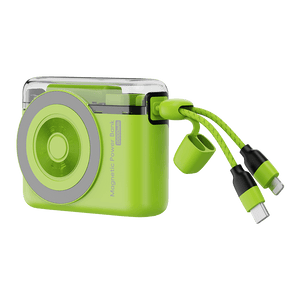
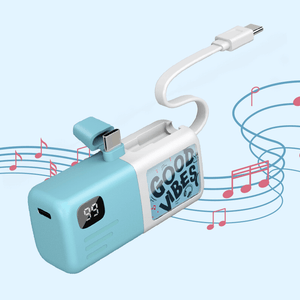
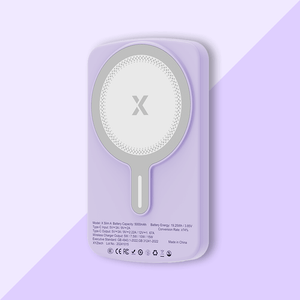
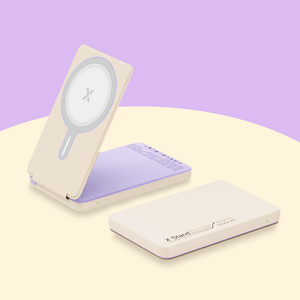
If you plan to rely heavily on your phone for maps, bookings, photos, and communication during your trip, having a dependable power source matters. Our XYZtech 5,000mAh and 10,000mAh power banks are lightweight, travel-friendly options that help keep your devices charged during long flights, bus rides, island hopping, and full-day adventures.
Related Articles
Best Power Bank for Backpacking: What Really Matters on the Trail
Power Bank for Airplane Travel: Top 3 TSA-Compliant Picks
Flying to China? Learn About China Compulsory Certification Mark!
Cycling Power Bank Guide: Features to Look for, Tips, and Tricks


