

Why Get a MagSafe Case? Is It Actually Worth Buying?

Nothing kills MagSafe convenience faster than weak magnetic grip.
If you've recently bought an iPhone, you've probably wondered: why get a MagSafe case when the phone already has magnets built in? At the same time, many new users ask what is the point of a MagSafe case if they mostly charge with a cable and rarely use accessories.
The answer depends on how you use your phone. For some people, a regular case is enough. For others, a MagSafe case makes charging, mounting, and using accessories noticeably more reliable.
Today, let’s talk about how MagSafe works, when a MagSafe case actually helps, and whether it's worth buying for your everyday routine.
In this blog:
- Why Get a MagSafe Case if Your iPhone Already Has Magnets?
- What Is the Point of a MagSafe Case?
- Pros and Cons of Using a MagSafe Case
- Can You Use MagSafe Without a MagSafe Case?
- Should I Get a MagSafe Case? (Who Needs It vs. Who Doesn’t)
- What Not to Expect From a MagSafe Case
- How to Choose a Good MagSafe Case
- Common Mistakes People Make With MagSafe
- How to Prevent MagSafe Frustrations
-
Frequently Asked Questions
Let’s get started!
Why Get a MagSafe Case if Your iPhone Already Has Magnets?
Before deciding whether a MagSafe case is worth buying, it helps to understand what MagSafe actually does.
Starting with the iPhone 12 series, Apple built a ring of magnets into the back of the phone. These magnets allow compatible accessories to align automatically and attach securely.
Common MagSafe accessories include:
- Wireless chargers
- Portable battery packs
- Wallet attachments
- Car mounts
- Desk stands
- Phone grips
Instead of carefully lining up a wireless charger or placing your phone into a clamp-style mount, MagSafe allows accessories to snap into position automatically.
At this point, many people wonder why they would need a MagSafe case at all. After all, if the magnets are already inside the phone, shouldn't everything work the same way?
Not exactly. The biggest difference comes down to magnetic strength and consistency.
A Bare iPhone Often Works Better Than a Non-MagSafe Case
One detail that surprises many new iPhone users is that a bare iPhone often works better with MagSafe accessories than a regular case without MagSafe support.
That sounds backwards at first, but it makes sense once you understand how magnets work.
When you use no case at all, MagSafe accessories connect directly to the iPhone’s built-in magnets. But once you add a standard case without embedded MagSafe magnets, extra material sits between the phone and the accessory. Even a small amount of added thickness can weaken the magnetic connection.
This is why many users describe the experience like this:
- No case = generally fine
- MagSafe case = strongest and most reliable
- Non-MagSafe case = weakest and most inconsistent
A regular case may still work for casual desk charging, but problems often appear once movement is involved. Battery packs can slide around, charging alignment may shift, and magnetic mounts can lose grip more easily during daily use.
Many MagSafe cases also use materials that provide more friction than the iPhone's smooth glass back. Combined with proper magnetic alignment, this often creates a more secure and dependable connection for chargers, mounts, wallets, and battery packs.
That's one of the biggest reasons people eventually understand why get a MagSafe case after trying MagSafe accessories with a regular case first.
How MagSafe Cases Improve Grip and Stability
One overlooked reason MagSafe cases often feel stronger is not just the magnets themselves, but also the material of the case.
The back glass of an iPhone is smooth and slippery. Even if the magnets connect properly, accessories can still shift or slide around more easily on bare glass during movement.
Many MagSafe cases use softer or grippier materials that create additional friction. That extra grip helps accessories stay stable instead of moving around constantly.
So while a MagSafe case does not magically “boost” the iPhone’s internal magnets, it often creates a more secure overall connection because:
- the accessory sits closer to the magnets
- the magnets align properly
- the surface provides more grip than glass
That combination is what makes MagSafe accessories feel more dependable.
What Is the Point of a MagSafe Case?
Understanding the technology is one thing, but most people care more about practical benefits.
So, what is the point of a MagSafe case when you're actually using your phone throughout the day? For most users, the answer comes down to convenience and reliability.
1. Better Wireless Charging Alignment
Before MagSafe, wireless charging often felt inconsistent. Many users experienced:
- waking up to a phone that never charged properly
- constantly repositioning the phone on the charger
- charging interruptions caused by poor alignment
- slower charging from incorrect placement
MagSafe helps solve this by aligning the charger automatically with the charging coil inside the phone.
Instead of carefully adjusting the phone over and over, you simply place it near the charger and the magnets guide it into position. That smoother “drop and charge” experience is one of the most practical answers as to why you get a MagSafe case.
2. Car Mounts Become More Convenient
Car mounts are one of the strongest reasons many people switch to a MagSafe case. Traditional phone mounts usually involve:
- clamps
- suction cups
- tightening arms
- awkward adjustments
However, this convenience depends on a strong magnetic connection. With a regular non-MagSafe case, users often experience weaker grip, sliding during bumps, or occasional detachment.
A proper MagSafe case improves magnetic alignment and stability, making the mounting experience feel more secure and effortless while driving.
For people who use navigation regularly, this benefit alone can make a MagSafe case worthwhile..
3. Stronger Support for Magnetic Battery Packs
Portable MagSafe battery packs depend heavily on magnetic stability.
Unlike a desk charger, a battery pack moves with the phone while you walk, travel, or hold it in your hand. If the magnetic hold is weak, the battery can shift around or disconnect unexpectedly.
This can lead to:
- charging interruptions
- the battery pack sliding around
- accidental detachment while moving
A stronger magnetic connection helps keep the battery pack aligned properly, making portable charging feel more reliable and less frustrating.
That’s another major reason many users eventually understand why get a MagSafe case after using magnetic battery packs regularly.
4. Beyond Charging: Easy Accessory Swapping
Another advantage of MagSafe is flexibility. A lot of people initially think MagSafe is only about wireless charging. In reality, charging is just one part of the experience.
The bigger appeal is how accessories connect and disconnect in seconds without clips, adhesives, or complicated mounting systems.
Depending on the situation, you might use:
- A wallet during errands
- A desk stand while working
- A car mount while driving
- A battery pack while traveling
- A ring holder for extra grip
- A tripod mount for content creation
Instead of committing to a bulky case with built-in features, you can swap accessories whenever your needs change. That flexibility is a major reason many people end up using MagSafe more often than they originally expected.
Pros and Cons of Using a MagSafe Case
Like any phone accessory, a MagSafe case has clear advantages and limitations. Understanding both sides helps you decide whether it is the right choice for your everyday routine.
Why Get a MagSafe Case: The Pros
- Secure accessory grip: Built-in rings lock wallets, battery packs, and car mounts firmly in place, even absorbing impact force if dropped.
- Perfect alignment, less waste: Snaps chargers instantly to the sweet spot, maximizing energy efficiency while preventing heat buildup.
- Effortless swapping: Switch from a wallet to a wireless desk charger in seconds.
- Full protection: Shields your iPhone from drops without blocking internal magnetic features.
- Easy landscape viewing: Rotates smoothly on stands for Apple's StandBy mode or video watching.
- Less port wear: Reduces physical damage and wear on your iPhone’s charging port.
The Cons
- Higher upfront cost: Costs more than basic plastic cases, which is wasted if you only use wired chargers.
- Slower, warmer charging: Wireless transfer is slower than a cable and generates heat that can temporarily throttle speeds.
- Inconsistent third-party quality: Cheap, unbranded cases often feature weak, unreliable magnets.
- Added bulk: Snapping on external accessories like a wireless MagSafe power bank increases pocket weight.
- Cosmetic and card damage: Leaves a permanent circular ring on soft cases and ruins magnetic strips on loose credit cards.
- Signal and debris issues: Heavy accessories block NFC/Apple Pay signals, and the magnets attract scratchy metallic debris like coins or staples.
If you rely on car mounts or portable power packs, the convenience easily outweighs the cost. If you stick to traditional overnight cable charging, save your money and use a standard case.
Can You Use MagSafe Without a MagSafe Case?
Yes. Your iPhone already contains MagSafe magnets internally, so MagSafe chargers and accessories can still work even without a MagSafe case.
The difference is reliability. A bare iPhone generally works well because accessories connect directly to the phone’s built-in magnets. Problems are more likely to appear when using a regular non-MagSafe case, which can weaken the magnetic connection.
If you plan to use a case anyway, choosing a MagSafe-compatible model often provides the most consistent experience with chargers, mounts, wallets, and battery packs.
Should I Get a MagSafe Case? (Who Needs It vs. Who Doesn’t)
The answer depends entirely on how you use your iPhone. If you are asking yourself, "Should I get a MagSafe case?", consider the accessories and charging habits you already have.
Why Get a MagSafe Case: It's Usually Worth It If You:
- Use magnetic car mounts
- Use portable battery packs
- Frequently use wireless charging
- Like desk stands or phone mounts
- Want stronger accessory attachment
In these situations, a MagSafe case can make accessories feel more reliable and easier to use.
Who Probably Doesn’t Need a MagSafe Case?
Not everyone truly benefits from MagSafe. You may not need a MagSafe case if:
- you only use wired charging
- you rarely use mounts or accessories
- you dislike wireless charging
- you prefer ultra-minimal setups
- you never use portable battery packs
In those situations, a regular case can still protect your phone perfectly well. The biggest advantage of MagSafe appears when magnetic accessories become part of your daily routine.
What Not to Expect From a MagSafe Case
Understanding what is the point of a MagSafe case also means understanding its limitations. A MagSafe case improves convenience and accessory compatibility, but it does not fundamentally change how your iPhone works.
It will not:
- dramatically speed up your phone
- improve battery health automatically
- upgrade your phone’s charging hardware
- completely prevent accessory movement
- make weak accessories premium-quality
Wireless charging also tends to create more heat than wired charging, which is why many people still prefer cables for faster or more efficient charging. The quality of the accessory still matters too. A poorly designed charger or mount can still perform badly even with a good case.
Similarly, not every MagSafe case has equally strong magnets. Some brands use stronger magnetic arrays or higher-grade magnets than others, which is why some cases feel dramatically more secure than others.
How to Choose a Good MagSafe Case
Strong magnets matter more than flashy design .When shopping for a MagSafe case, prioritize:
- strong magnetic grip
- reliable customer reviews
- proper fit
- comfortable hand feel
- good drop protection
Some case manufacturers use stronger magnetic arrays than Apple’s minimum requirements, which can noticeably improve grip with wallets, mounts, and battery packs.
Look for phrases like:
- “strong magnetic hold”
- “MagSafe compatible”
- “secure magnetic alignment”
- “works with MagSafe battery packs”
Aesthetic design matters too, but weak magnets can quickly become frustrating in daily use.
Common Mistakes People Make With MagSafe
Many complaints about MagSafe can be traced back to a few common mistakes.
- Using Thick Non-MagSafe Cases. This is one of the most common reasons MagSafe feels disappointing. A thick regular case weakens the magnetic pull significantly. Accessories may still attach, but often not securely enough for daily confidence.
- Buying Weak Magnetic Accessories. Not all MagSafe accessories are built equally. Cheap mounts and battery packs sometimes use weak magnets that fail easily during movement.
- Expecting Wireless Charging to Be Faster Than Wired Charging. Wired charging still tends to be faster and more efficient overall.
MagSafe is mostly about convenience, simplicity, and ease of use.
How to Prevent MagSafe Frustrations
Minor setup mistakes cause dropped phones and slow charging. Follow these quick rules to keep your MagSafe setup frustration-free.
- Always Use a Certified MagSafe Case: Standard phone cases block the magnetic field of your iPhone. To keep your accessories locked tightly in place, verify the case has a built-in magnetic ring explicitly labeled as "MagSafe-compatible."
- Avoid Overly Thick Case Materials: Thick heavy-duty armor cases drastically weaken magnetic pull, even if they claim compatibility. Look for slim or medium-profile cases to ensure heavy mounts and battery packs do not slide off on bumpy roads.
- Keep the Connecting Surfaces Clean: Dust, pocket lint, and skin oils create a slick barrier between your phone and your accessories. Wipe down the back of your case and your charging pads once a week with a microfiber cloth to maintain a high-friction, non-slip grip.
- Invest in Reputable Accessory Brands: Cheap, unbranded magnetic accessories often use low-grade magnets that fail under pressure. Stick to trusted manufacturers to guarantee strong internal magnets and reliable, safe wireless charging speeds.
- Balance Convenience Against Speed: Wireless MagSafe charging is perfect for desk stands, car navigation, and overnight power. However, it generates more heat and is inherently slower than a wire. When you need a maximum power boost before leaving the house, always plug directly into a fast-wired cable.
Small choices can make a surprisingly big difference in everyday usability.
Frequently Asked Questions
Do I need a MagSafe case to use MagSafe chargers?
No, you can still use MagSafe chargers directly with compatible iPhones even without a special case. The magnets inside the phone already support magnetic alignment and wireless charging. However, a MagSafe-compatible case usually improves magnetic grip and helps accessories stay attached more securely during everyday use.
Can MagSafe work through a normal case?
Sometimes it can, especially with thinner cases. The problem is that standard cases without built-in magnets often weaken the connection between the phone and the accessory. That weaker hold can cause chargers or battery packs to slip more easily compared to a true MagSafe-compatible case.
Does a MagSafe case improve charging speed?
A MagSafe case does not increase the phone’s maximum charging capability. What it mainly improves is alignment between the charger and the charging coil inside the phone. Better alignment helps charging remain more stable and reliable.
How can I tell if my case is MagSafe compatible?
Most MagSafe cases mention “MagSafe Compatible” on the packaging or product listing. Many also include a visible magnetic ring pattern inside the case. If the product description does not clearly mention MagSafe support, it is likely just a standard case.
So, Why Get a MagSafe Case? A Quick Recap.
The biggest reason why get a MagSafe case comes down to convenience, stronger accessory attachment, and smoother everyday use. While iPhones already contain built-in magnets, a proper MagSafe case often improves grip, charging alignment, and stability for accessories like battery packs, car mounts, wallets, and charging stands.
Key Takeaways
- A MagSafe case improves magnetic attachment strength, making accessories feel more secure and stable in daily use.
- Non-MagSafe cases can weaken magnetic grip and lead to less reliable performance, especially with heavier accessories like battery packs and mounts.
- Wired charging remains faster and more efficient than MagSafe, which is mainly designed for convenience rather than speed.
- MagSafe is most useful with car mounts, portable battery packs, and desk stands where easy alignment and stability matter most.
- A good-quality MagSafe case enhances everyday usability but does not change the core functionality of your iPhone.
For most people, MagSafe is less about necessity and more about convenience. If you're still wondering what is the point of a MagSafe case, the answer often comes down to making accessories easier, more secure, and more reliable to use every day.
Once accessories become part of your routine, even small improvements in attachment strength and usability can make daily phone use feel smoother and less frustrating.
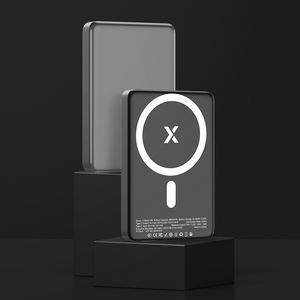
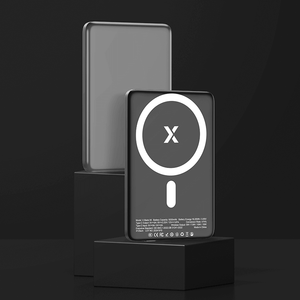
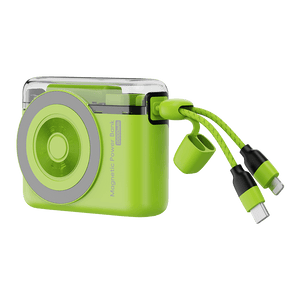
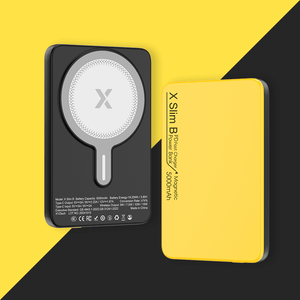
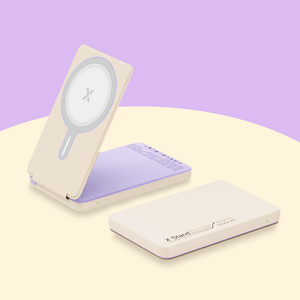
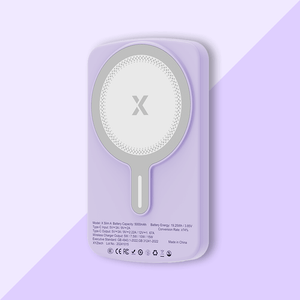
Tired of slipping battery packs? Pair your MagSafe case with a charger designed to snap perfectly into place. Our MagSafe-compatible power banks come in 5,000mAh and 10,000mAh sizes, giving you reliable, wireless backup power whenever you travel or commute. Get your XYZTech wireless MagSafe power bank here.
Related Article
MagSafe Wireless Power Bank: The Upgrade You Can’t Miss!
Does MagSafe Work Through Cases? Find Out the Facts
MagSafe Charger Overheating: What’s Normal and When to Worry
MagSafe Charger Not Working? Why It Happens and How to Fix It


