

How Long Does a Power Bank Hold a Charge? Avoid These Mistakes

A lot of people assume a stored power bank should still work perfectly months later because it wasn’t being used. Then one day they grab it during a trip, blackout, or emergency, and it’s completely dead.
That’s what leads many people to ask: how long does a power bank hold a charge when it’s just sitting unused?
The answer is that lithium batteries naturally lose energy over time, even when they’re not being used. The expectation is usually that it should stay full for months. But in reality, all power banks slowly lose charge over time, even when switched off.
The real issue isn’t just time. It’s about the power bank storage method, the environment it was kept in, and the internal behavior of lithium batteries.
In this blog:
- How Long Does a Power Bank Hold a Charge? What You Should Really Expect
- Common Reasons Your Power Bank Loses Charge Faster Than Expected
- Power Bank Storage: 6 Ways to Properly Store Them So It Lasts Longer
- Safety: What You Should Be Careful About
- When to Seek Professional Help or Replace Your Power Bank
- Frequently Asked Questions
- So, How Long Does a Power Bank Hold a Charge in Real Use? A Quick Recap
Let’s get started!
How Long Does a Power Bank Hold a Charge? What You Should Really Expect
To answer this question, we first need to understand that how long a portable charger holds a charge depends on more than just battery size.
Power banks use lithium-based batteries, and these batteries naturally lose charge through something called self-discharge. It happens quietly in the background, even when the device is off.
So, how long does a power bank hold a charge in everyday use? Here’s what to expect:
- After 1–2 months, most power banks still have usable charge
- After 3–6 months, the battery level noticeably drops. This is the standard behavior for a healthy power bank
- 6+ months, may be partially or fully drained depending on power bank storage
Not all power banks behave the same. Some drain faster even when “off” because internal components like LED displays, battery monitoring systems, or soft power switches continue using small amounts of power in the background.
This explains why one power bank might still work after months, while another is completely dead. If it can't even make it to the 1-month mark without being nearly empty, it's time to replace it.
Common Reasons Your Power Bank Loses Charge Faster Than Expected
If your power bank keeps draining faster than expected, it’s usually not random. It comes down to a few specific causes that affect how long a power bank holds a charge when it’s stored or left unused. Below are the most common reasons:
1. Temperature and Environment Can Speed Up Battery Drain
Temperature plays a bigger role than most people expect. Heat speeds up the chemical activity inside the battery, which increases energy loss and accelerates battery aging. Cold environments can also reduce efficiency and temporarily affect performance.
Avoid storing your power bank in places like:
- Parked cars
- Windowsills
- Attics
- Near appliances
- Humid bathrooms
These conditions directly affect both performance and safety. High heat is one of the fastest ways to shorten a lithium battery's lifespan. Even if the power bank still works afterward, repeated exposure to heat can permanently reduce how much charge it can hold.
2. Storing It Fully Charged or Fully Empty Causes Long-Term Damage
It might feel safer to store a power bank at 100%, but keeping it fully charged for long periods stresses the battery. On the opposite end, storing it completely empty can be even more dangerous over time due to deep discharge risk.
Important clarification: When your power bank shows 0%, it’s not truly empty. The internal system shuts it down before reaching a damaging level.
However, if you leave it at 0%:
- It continues to slowly lose charge internally
- Small amounts of power are still used by internal circuits
- It may eventually drop below safe voltage levels
In short, what matters most is avoiding extremes:
- 0% or empty - highest risk of permanent damage because self-discharge can push it into deep discharge
- 90–100% long-term - increases chemical aging, faster battery degradation
Note: Once voltage drops too low, some power banks may refuse to charge again entirely.
3. Battery Quality and Age Affect How Long It Holds Charge
Not all power banks behave the same way because battery quality and age play a major role in how well they retain charge.
So based on battery quality, how long does a power bank hold a charge, you ask?
The answer is, the higher-quality batteries often use better lithium cells with lower self-discharge rates, which tend to hold charge longer. While cheaper ones lose energy faster, even under good conditions.
On average, lithium batteries naturally lose about 2%–10% charge per month, depending on:
- Battery quality
- Age of the device
- Temperature conditions
- Internal electronics
- Power bank storage habits
Over time, all batteries degrade naturally. You may notice:
- Faster battery drain
- Reduced overall capacity
- More frequent recharging needs
This is one of the reasons why how long a power bank hold a charge can vary so much between devices. Older or cheaper units may not hold charge well, even with perfect storage.
4. Internal Electronics Still Drawing Power
Even when a power bank is switched off, it is never completely inactive. Inside, there are always small electronic systems running in the background to keep the device ready and safe to use.
These include essential components such as:
- Battery Management System (BMS)
- LED indicators or display circuits
- Voltage monitoring systems
- Soft power button mechanisms
These parts are designed to protect the battery and ensure proper operation, but they still require a very small amount of energy to stay active.
Over time, this constant low-level activity slowly reduces the stored charge. Even though the drain is minimal, it becomes noticeable during long power bank storage periods, especially if the power bank is left unused for months.
5. Leaving Cables or Devices Connected
This is one of the most commonly overlooked causes of unexpected battery drain.
When a cable or device is left plugged into a power bank, even if nothing is actively charging, the system may not fully shut down.
In many cases:
- The power bank remains partially active
- Internal circuits stay in standby mode
- A small but continuous power draw occurs
- Battery level drops faster than expected over time
Some models are more sensitive than others, but the general issue remains the same: any connected accessory can prevent the power bank from fully entering a low-power state.
Even without a phone attached, the simple presence of a cable can sometimes be enough to trigger slow energy consumption.
This is why proper power bank storage always means fully disconnecting everything before putting the power bank away.
6. Natural Self-Discharge (Normal Battery Behavior)
All lithium batteries naturally lose charge over time, even when they are not being used at all. This is not a defect, it is a built-in chemical property of the battery itself.
Inside the battery, slow chemical reactions continue even during inactivity, which causes energy to gradually fade.
In general:
- Higher-quality batteries lose only a small percentage per month
- Lower-quality or older batteries lose more charge over the same period
While the rate is usually slow, it becomes very noticeable over longer storage periods such as several months.
This is the main reason why a power bank that was fully charged can still end up partially or completely drained even if it was never used.
No matter how well it is stored, self-discharge is unavoidable, it can only be slowed, not stopped.
Power Bank Storage: 5 Ways to Properly Store Them So It Lasts Longer
One of the most overlooked factors in how to store power bank properly is the charge level when you put it away.
Good power bank storage doesn’t require much effort, but it makes a big difference in how long your device stays usable.
1. So, What Battery Percentage Should You Store It At?
Avoid storing fully charged or completely empty. The safest range is:
-
40–60% charge - ideal for long-term storage
Other ranges:
- 25–35% - technically ideal for the least chemical stress
- Up to 70% - still generally fine
- 80%+ - usable if you want emergency readiness, but ages faster
- 90–100% - faster battery aging over time#
- 0% - highest risk due to deep discharge
There isn’t just one “perfect” percentage, but there is a safe and practical range.
Some people intentionally store power banks around 70–80% because they want backup power ready for blackouts, emergencies, or travel. That’s reasonable if convenience matters more than maximizing long-term battery lifespan.
The key idea is balance:
- Too full = more chemical stress
- Too empty = higher risk of deep discharge
- Mid-range charge = least strain overall
2. Choose the Right Storage Environment
Avoid heat, moisture, and enclosed hot spaces. Keep it in:
- A cool, dry place (for example: Bedroom drawer, office cabinet, indoor shelf)
- Avoid direct sunlight, heat sources, or enclosed hot areas (like cars)
- Keep away from humid environments like bathrooms
A soft pouch or protective case also helps prevent accidental button presses, scratches, and physical damage during storage.
3. Disconnect Everything Before Storing
Before putting it away:
- Disconnect cables before storing
- Avoid leaving devices plugged in overnight or long-term
- Ensure no accessories are connected
This prevents hidden standby drain.
4. Maintain It Every Few Months
Even in storage, it needs occasional attention:
- Check battery every 2–3 months
- Recharge lightly if it drops too low
This prevents deep discharge and keeps it usable. Some users only check their power banks once or twice a year. That’s often too long for certain models, especially cheaper ones with faster standby drain.
5. Let It Cool Before Storage
After charging or heavy use, allow the power bank to return to room temperature first. Storing while still warm increases internal battery stress.
Important Tip: After charging or heavy use, power banks can stay warm internally. Storing them while still warm increases battery stress. Always let it return to room temperature first.
What to Do If You’re Leaving It Unused for Weeks or Months
If you’re going on a trip or not using it, and is wondering how long does a power bank hold a charge:
- 1–4 weeks - leave it around 50–60%
- Several months - store at 40–60% and check before leaving
No need to dispose of unused power banks, they’re safe if stored properly.
Safety: What You Should Be Careful About
Power banks are generally safe, but improper power bank storage can increase risks.
Avoid:
- storing near metal objects (keys, coins, paper clips)
- dropping or crushing the device
- charging on beds, sofas, or other soft surfaces
- leaving in hot enclosed spaces (like cars)
Warning signs to stop using immediately:
- swelling or bulging
- unusual heat when idle
- strange smell
- leakage
- discoloration
If you notice any of these, stop using them immediately. These precautions help prevent problems while the power bank is not in use.
Never keep charging a power bank unattended overnight on beds, sofas, or blankets. Soft surfaces trap heat and increase fire risk if something goes wrong. To earn more, check this out: Swollen Power Bank: Causes, Risks, and Safe Disposal Tips
Can a Power Bank Catch Fire When Not in Use?
Yes, but it’s rare. This usually happens due to:
- Physical damage
- Manufacturing defects
- Extreme heat exposure
If a power bank starts smoking, swelling rapidly, or making popping sounds:
- Move away immediately
- Avoid touching it directly
- If safe, isolate it from flammable materials
- Contact emergency services if needed
Proper power bank storage greatly reduces the risk. Most properly functioning power banks do not randomly combust while sitting unused. Incidents are uncommon and are usually linked to damaged batteries, poor-quality products, overheating, or unsafe charging/storage habits.
You can learn more by checking our guide: Lithium Battery Fires: Stop Explosions Before They Start
When to Seek Professional Help or Replace Your Power Bank
Sometimes, the issue isn’t just power bank storage, it’s the battery reaching the end of its lifespan. You may need to replace your power bank if:
- It drains very quickly after charging
- It no longer holds charge for long
- It overheats during normal use
- There are visible signs of damage
Most power banks last a few years, but performance naturally declines over time. A swollen power bank should never continue being used or charged. Swelling is a strong sign the battery is failing internally and may become dangerous.
Frequently Asked Questions
How long do power banks last if not used?
A power bank slowly loses stored energy even when left unused due to internal processes. Many units can still hold usable charge for several months, depending on quality and storage conditions. Checking and topping it up occasionally prevents it from draining completely.
Are power banks safe when not in use?
They are generally safe when kept in suitable conditions and handled carefully. Avoid placing them near heat sources or conductive materials that could cause issues. With proper care, they remain stable even during long storage periods.
Are power banks safe to store at home?
Yes, they are safe when stored correctly and handled responsibly. Keep them away from heat and flammable materials to reduce risks. If you notice any unusual signs, it’s best to stop using the device immediately.

So, How Long Does a Power Bank Hold a Charge in Real Use? A Quick Recap
A power bank doesn’t stay fully charged forever, it gradually loses energy due to natural battery processes, environmental conditions, and usage over time. In most cases, how long does a power bank hold a charge depends heavily on proper power bank storage and simple maintenance habits.
Key Takeaways
- Power banks naturally lose charge over time
- 40–60% is the safest storage range
- Avoid storing at 0% or 100% long-term
- Heat speeds up battery drain and aging
- Check and recharge every few months
- Some models drain faster due to internal electronics
- Proper storage can keep it usable for months
The biggest mistake most people make is forgetting about the power bank entirely until they suddenly need it.
A quick check every few months is often enough to keep it healthy and ready. With the right habits, keeping your power bank reliable is simple.
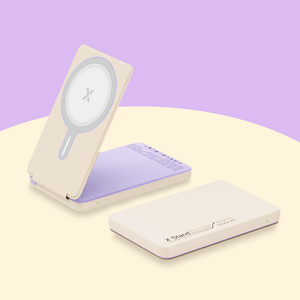
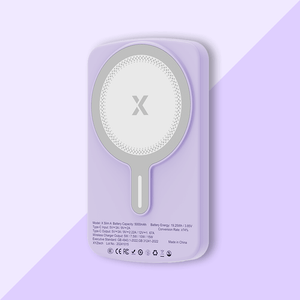
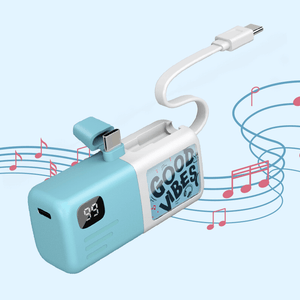
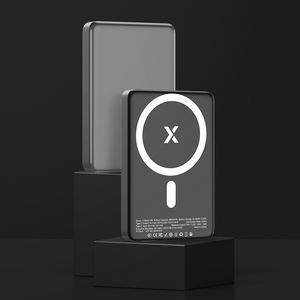
If you want a dependable backup, explore options like 5000mAh or 10000mAh power banks, available in wireless, wired, or combined designs, and choose one that fits how you use it daily.
Related Article
How to Store Power Banks: Keeping A Safe & Reliable Power
How to Check Power Bank Health and Avoid Sudden Power Drops
Wireless Charger Overheat: Can It Explode? Causes & Safety Tips


