

Does Leaving a Charger Plugged In Use Electricity?

You unplug your phone after charging, but the charger stays in the wall. Since nothing is connected, it seems like it should stop using electricity. But is that true?
Today, we will explore the reality behind a common question: does leaving a charger plugged in use electricity? We will look at how much power they actually draw, whether that amount matters on your electricity bill, and when unplugging them is truly worth the effort.
In this blog:
- So, Does Leaving a Charger Plugged In Use Electricity?
- What About Wireless Chargers and USB Wall Outlets?
- Do Phone Chargers Use Electricity When Not Charging?
- Is Leaving a Phone Charger Plugged In a Waste of Electricity?
- Does Leaving a Charger Plugged In Increase Your Electricity Bill?
- How Much Can You Save by Unplugging a Phone Charger?
- How to Choose a Charger with Lower No-Load Consumption
- How to Reduce Unnecessary Charger Electricity Use
- Frequently Asked Questions
Let’s get started!
So, Does Leaving a Charger Plugged In Use Electricity?
Yes, but usually only a small amount. A phone charger is actually an external power supply. It converts electricity from your wall outlet into the lower-voltage power your phone needs. Even when your phone is disconnected, some of the charger's electronics can remain energized so the adapter is ready to operate when a device is connected.
This is known as no-load power consumption because the charger has no device, or "load," connected to it. The difference is simple:
- Charger unplugged: No electricity is being drawn.
- Charger plugged in, nothing connected: Small amount of no-load power may be consumed.
- Phone connected and charging: More electricity is being used.
- Phone reaches its target charge: The phone's charging system manages the power it receives.
So, taking your phone off the cable doesn't necessarily stop electricity consumption. Unplugging the charger from the outlet does.
What About Wireless Chargers and USB Wall Outlets?
The same basic principle applies to other charging equipment.
A wireless charging pad can draw a small amount of electricity while connected to power even when no phone is sitting on it. Wall outlets with built-in USB-A or USB-C ports can also have internal electronics that remain powered while the outlet is switched on.
The exact amount depends on the product's design. If you want to eliminate that standby consumption completely, switching off the outlet or disconnecting the charging equipment will do it.
Do Phone Chargers Use Electricity When Not Charging?
If you are wondering, do phone chargers use electricity when not charging? The answer is yes, but usually only a small amount. The exact consumption varies by charger, so there isn't one universal number that applies to every model.
No-load consumption varies with the charger's design, age, efficiency, and power-management circuitry. Modern switching power supplies have become much more efficient, and Lawrence Berkeley National Laboratory notes that modern external power supplies can have no-load losses below 0.2 watts.
For perspective, if an idle charger continuously consumed:
- 0.1 W continuously: about 0.88 kWh per year
- 0.2 W continuously: about 1.75 kWh per year
- 0.3 W continuously: about 2.63 kWh per year
- 0.5 W continuously: about 4.38 kWh per year
These figures are estimates based on continuous use for 365 days. They aren't measurements for every charger. To estimate the cost of your own charger, use:
Annual cost = watts × 24 × 365 ÷ 1,000 × your electricity rate
Then multiply the result by your electricity rate to estimate the cost.
If you want a more accurate answer for a particular charger, a plug-in electricity meter designed to measure low-power loads is better than relying on a generic number. Lawrence Berkeley National Laboratory also recommends measuring standby consumption when you want to identify which devices are actually worth unplugging.
Does Leaving a Charger Plugged In Increase Your Electricity Bill?
Yes, but usually by very little for one phone charger. An idle phone charger is a very small electrical load, so unplugging one will not produce a noticeable change in your monthly statement. However, the situation is different when you look at the collective impact of your entire home.

Natural Resources Canada notes that standby power across household electronics can account for roughly 5% to 10% of an electricity bill. This figure applies to standby loads generally, including televisions, computers, printers, gaming systems, and microwaves that consume power while waiting to be used.
Therefore, your phone chargers are not responsible for a large electricity bill. If your costs are unexpectedly high, look instead at high-power appliances that operate for extended periods, such as:
- Air conditioners
- Electric water heaters
- Electric stoves and cookers
- Clothes dryers
- Refrigerators
- Other high-power appliances used for extended periods
One idle charger is a minor load. A house full of standby devices can be a different story.
How to Choose a Charger with Lower No-Load Consumption
If you're already replacing an old charger, you can consider its efficiency as well as its charging speed.
- Check the specifications. If the manufacturer publishes no-load or standby consumption, a lower figure means less electricity is used when the charger is idle.
- Look for applicable efficiency standards. DOE's efficiency requirements for external power supplies include limits on no-load consumption.
- Don't assume a higher wattage means higher standby consumption. A 100W charger can deliver more power than a 20W charger, but its rated output doesn't tell you exactly how much it consumes when nothing is connected.
- GaN is useful, but not a guarantee. Gallium nitride technology can help manufacturers build efficient, compact chargers, but the presence of GaN alone doesn't prove that a charger has the lowest no-load consumption.
- Choose reputable products. Clear specifications, appropriate safety certifications, and good build quality matter more than choosing the cheapest charger available.
You also don't need to replace a perfectly good charger just to save a tiny amount of standby electricity. If you're buying a replacement anyway, these factors can help you make a better choice.
How to Reduce Unnecessary Charger Electricity Use
You don't need to change your entire routine to reduce standby power. A few simple habits are enough.
- Unplug chargers you rarely use. There is little reason to keep an unused adapter connected for weeks.
- Switch off outlets when practical. This is especially convenient if your wall sockets have individual switches.
- Group chargers together. A properly rated switched power strip can disconnect several devices at once.
- Replace damaged chargers. Don't continue using equipment that is overheating, sparking, buzzing, or physically damaged.
- Look at bigger energy users first. If your electricity bill is high, check appliances that consume much more power before worrying about one idle charger.
The goal isn't to eliminate every tiny amount of standby electricity at all costs. It's to avoid unnecessary consumption without making everyday life unnecessarily difficult.
Frequently Asked Questions
Is it the same as leaving an empty socket switched on?
No, because a vacant wall outlet with nothing inserted draws zero electrical current. The situation shifts completely the moment you plug a charging adapter into that space. The internal components of the adapter create a tiny path for vampire energy to flow continuously. Even without a mobile device attached, the accessory acts as a minor standby load.
Is it safe to leave a phone charger plugged in?
A properly manufactured, undamaged charger should be designed to operate safely when connected to power. However, damaged cables, cracked adapters, loose connections, overheating, or poor-quality electrical products can create safety concerns.
Check your charger for warning signs such as:
- Excessive heat while idle
- Burning or unusual smells
- Cracks or physical damage
- Frayed cables
- Buzzing or unusual noises
- Loose connections
- Discoloration around the plug or adapter
If a charger shows any of these signs, stop using it and replace it rather than continuing to use it simply because it still charges your phone.
Choosing a reputable, properly certified charger is also more important than trying to save a few cents of standby electricity. Modern efficiency standards increasingly address both charging efficiency and no-load consumption.
What about a phone that stays plugged in after reaching 100%?
This is different from leaving an empty charger plugged into the wall. When your phone reaches full charge, its battery-management system controls how much power it receives. The phone doesn't simply continue accepting the charger's maximum output indefinitely.
However, lithium-ion batteries can age more quickly when kept at very high charge levels for extended periods. Heat can also contribute to battery aging. That's why many modern phones include charging features designed to reduce the amount of time the battery remains fully charged.
So there are two separate situations:
- Empty charger: The adapter is plugged into the wall without a phone attached and may consume a tiny amount of standby electricity.
- Phone left connected: The phone and charger remain connected, and the phone manages the charging process according to its battery-management system.

Wrapping Up…
Understanding does leaving a charger plugged in use electricity comes down to recognizing how standby or no-load power works.
A charger connected to a live outlet can continue using a small amount of electricity even when your phone isn't connected. However, one modern charger typically consumes so little while idle that it shouldn't be considered a major cause of a high electricity bill.
The bigger opportunity is to avoid unnecessary standby power across multiple devices. Unplug chargers you rarely use, switch off outlets when convenient, and focus your energy-saving efforts on appliances that consume far more electricity.
Key Takeaways
- A plugged-in phone charger can consume a small amount of electricity even when nothing is connected.
- No-load consumption varies by charger, so there isn't one figure that applies to every model.
- Unplugging a charger completely stops its standby electricity use.
- One idle charger is unlikely to make a significant difference to your electricity bill.
- If you're buying a new charger, look for reputable products, efficiency information, and published no-load specifications when available.
- If a charger becomes unusually hot, smells burnt, sparks, buzzes, or shows physical damage, stop using it and replace it.
If you want to cut unnecessary electricity use, start with the chargers and electronics you rarely use. And if the bigger concern is keeping your phone powered when you don't have access to a wall outlet, a power bank can provide a convenient backup without needing to stay plugged into the wall.
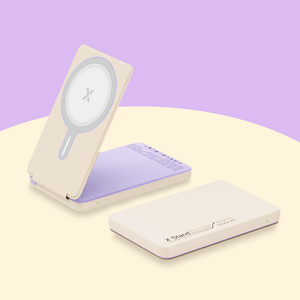
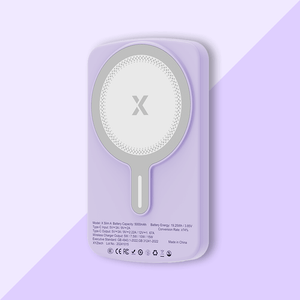
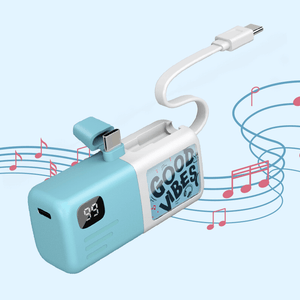
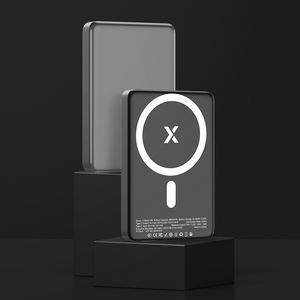
XYZTech offers 5,000mAh and 10,000mAh power banks in wired and wireless, making it easy to choose one that fits how you normally charge your phone. With current offers of up to 59% off, you can check out the available options and keep a portable backup ready for travel, commuting, power interruptions, or everyday use.
Related Articles
Why Do Power Banks Lose Charge When Not in Use?
How to Keep A Phone Battery Healthy: Top 10 Battery Care Tips
Battery Overcharge Protection: Is It Safe to Leave It Plugged In?


