

Is MagSafe Safe? Battery Health, Heat, Magnets, & Charging Truth

The idea of attaching magnets to an expensive phone sounds risky, especially when wireless charging can make the device feel warmer than usual.
If you have been wondering is MagSafe safe, the reassuring answer is yes. MagSafe and MagSafe-compatible accessories were designed for everyday use and include built-in protections that help prevent overheating and charging problems.
The question that usually worries people even more is, "does MagSafe charging damage battery over time?" To answer that properly, it helps to understand what MagSafe is actually doing, and what it is not.
In this blog:
- Is MagSafe Safe? Why MagSafe Seems Risky
- Does MagSafe Charging Damage Battery?
- Is MagSafe Safe for Your Health, Credit Cards, and Other Magnetic Items?
- Golden Rules for Everyday MagSafe Safety
- MagSafe Wireless Charging vs Wired Charging
- Frequently Asked Questions
- So, Is MagSafe Safe? The Bottom Line
Let’s get started!
Is MagSafe Safe? Why MagSafe Seems Risky
When people ask, 'Is MagSafe safe?' the concern usually comes down to two things: magnets and heat.
Many people grew up hearing that magnets could damage electronics, and a warm phone naturally feels like a warning sign. When those two ideas come together, it is easy to assume that MagSafe is somehow harmful.
The important thing to understand is that the magnets are not charging your phone. They are simply helping the charger line up correctly with the charging coil inside the device. Think of it like a magnetic guide rail. Instead of trying to place a wireless charger in exactly the right spot every time, the magnets automatically snap the charger into the position where charging is most efficient.
Apple introduced MagSafe for the iPhone, but many Android phones can now use MagSafe-compatible cases, chargers, power banks, and car mounts through magnetic accessories or Qi2-compatible charging systems. The same basic principle applies: the magnets improve alignment, not power delivery.
Does MagSafe Charging Damage Battery?
This is where most of the confusion comes from. The better question is not “does MagSafe charging damage battery”, but what actually causes batteries to wear out faster.
The answer is heat. Wireless charging naturally produces some warmth, but MagSafe’s magnetic alignment helps reduce unnecessary heat by keeping the charger positioned correctly.

The good news is that MagSafe’s magnetic alignment actually helps reduce unnecessary heat compared with older wireless charging pads. Because the charger stays correctly aligned with the phone’s charging coil, charging is generally more efficient and less energy is wasted.
Modern phones also have a built-in protection system that constantly monitors temperature. If the device starts getting too warm, it automatically slows charging or temporarily pauses it until temperatures return to a safe level. That is why many people who use MagSafe daily for years still see normal battery ageing.
When warmth is normal, and when it isn’t
A phone may become noticeably warmer if you are:
- Charging in direct sunlight
- Leaving it in a hot car
- Using a very thick case
- Playing games while charging
- Running navigation or video apps during charging
For example, if your phone is sitting on a dashboard in the afternoon sun, it is already hot before charging even begins. Adding wireless charging on top of that can cause the phone to slow charging until it cools down.
Warm is generally expected. Excessively hot is not. If your phone repeatedly displays overheating warnings or becomes unusually hot during normal indoor charging, the issue is more likely related to the environment, the charger, or the case than to MagSafe technology itself.
So, does MagSafe charging damage battery significantly enough to avoid it? The evidence suggests the effect is usually small, and overall charging habits matter much more than MagSafe itself.
Is MagSafe Safe for Your Health, Credit Cards, and Other Magnetic Items?
Battery health is not the only concern people have about MagSafe. Many also wonder whether the magnets can affect medical devices, credit cards, or other everyday items they carry with them.
Health Concerns and Medical Devices
For the general population, MagSafe is considered safe. The magnetic fields used by MagSafe are low-energy and are not known to damage body tissue.
The one important exception involves pacemakers, implantable cardioverter defibrillators (ICDs), and certain other implanted medical devices.
Apple recommends keeping MagSafe accessories at least 6 inches (15 cm) away during normal use and at least 12 inches (30 cm) away while the device is actively wirelessly charging.
Important: If you have an implanted medical device, follow your doctor’s guidance and the manufacturer’s recommendations before using magnetic accessories.
Is MagSafe Safe for Credit Cards and Other Magnetic Items?
The answer is reassuring for most modern bank cards. Credit and debit cards with chips and contactless “tap-to-pay” technology are generally not easily erased by MagSafe magnets.
However, hotel room keys, some access badges, transit tickets, and other inexpensive magnetic-strip cards can still be affected by strong magnets.
That is why MagSafe wallets often include magnetic shielding designed to help protect compatible cards during normal use.
Important: Your everyday bank cards are usually fine, but keep hotel keys and other magnetic-strip cards away from strong magnetic accessories when possible.
Golden Rules for Everyday MagSafe Safety
Using MagSafe safely is mostly about using good charging accessories and avoiding unnecessary heat.

- Check for coins, keys, or other metal objects between the phone and charger before charging.
- Look for Made for MagSafe (MFM) or Qi2 certification when buying chargers and power banks.
- Use a MagSafe-compatible case rather than a very thick regular case that can trap heat.
- Avoid charging in direct sunlight or inside a hot car.
- Replace damaged chargers or cables rather than continuing to use them.
These simple habits usually have a bigger impact on battery health than choosing MagSafe versus a cable. You can also learn more here: How to Keep the iPhone Battery Healthy: Top 8 Proven Tips
MagSafe Wireless Charging vs Wired Charging
If MagSafe is safe, which type of charger should you choose?
MagSafe and MagSafe-compatible wireless chargers are ideal when convenience is the priority. It snaps into place quickly, works well on desks and bedside tables, and lets you charge without dealing with cables. It is especially useful for commuting, travelling, or using your phone while it charges.
A wired charger or wired power bank is usually the better choice when speed is the priority. Wired charging is generally more efficient and can recharge a phone faster, especially when you only have a short amount of time.
Many people actually benefit from having both options: a MagSafe-compatible wireless power bank for everyday convenience and a wired power bank for faster top-ups during travel, workdays, or emergencies. You can learn more here: MagSafe vs USB-C Charging: Which Should You Choose?
Frequently Asked Questions
Why was MagSafe discontinued?
Apple did not phase out the entire brand permanently, but they did temporarily stop using it on laptops in 2016 to favor universal USB-C connectivity. The company eventually revived the magnetic charging port on newer MacBooks while simultaneously creating a new wireless magnetic system for iPhones.
Certain accessories under this brand name were later discontinued because mobile hardware shifted entirely to universal USB Type-C ports. Also, the portable magnetic power bank was taken off the market specifically because consumers complained about its slow five-watt speeds and high price tag.
Is it safe to use MagSafe all the time?
It is completely harmless to keep your magnetic wireless charger plugged into a wall outlet indefinitely. The unit is engineered with intelligent internal sensors that prevent any electrical current from flowing unless a compatible device is physically attached.
This safety feature ensures the brick stays completely inactive and does not create a hazardous live circuit when sitting empty. Consequently, the hardware will not experience dangerous overheating or pull any meaningful amount of standby power from your home.
Is it safe to use MagSafe overnight?
You can safely leave your smartphone resting on a magnetic charging pad while you sleep without damaging the hardware. Modern device logic boards and matching wireless pucks utilize advanced power management systems to automatically halt the current once the battery cell reaches maximum capacity.
At that point, the phone runs entirely on external electricity provided by the wall adapter rather than wearing down the chemical cell. The charging cycle will remain completely paused unless the internal power level drops below 95% before morning.
So, Is MagSafe Safe? The Bottom Line
If you have been avoiding MagSafe because of something you read online, the good news is that the technology itself is not the thing you need to fear.
Is MagSafe safe? For compatible phones and accessories, yes, it is designed to charge safely, manage heat automatically, and protect the battery during everyday use. In most cases, the difference between MagSafe and wired charging is far smaller than people expect.
Key Takeaways
- MagSafe is safe for compatible phones and accessories when used normally.
- Does MagSafe charging damage battery health? Heat is the real factor, and MagSafe is designed to manage it.
- Modern credit cards are generally safe, but hotel keys and other magnetic-strip cards can still be affected.
- People with pacemakers or defibrillators should follow Apple’s recommended safety distances.
- Quality MagSafe-compatible accessories and good charging habits matter more than the magnetic technology itself.
If you use magnetic charging regularly, having a portable charging option that matches your routine makes everyday charging even easier.
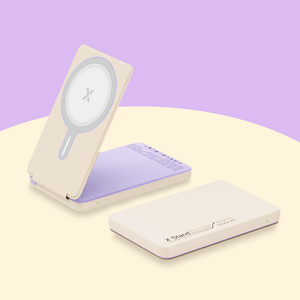
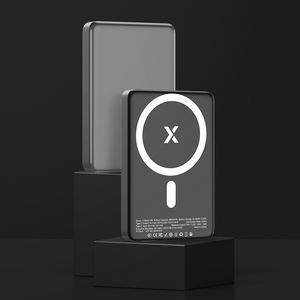
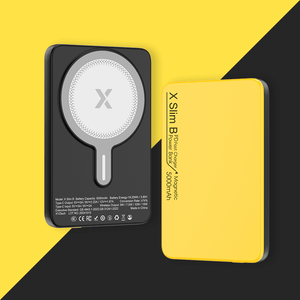
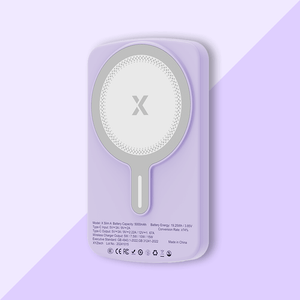
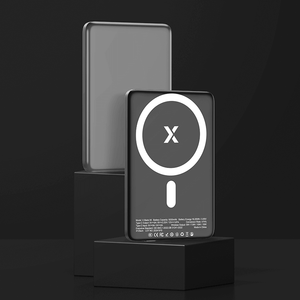
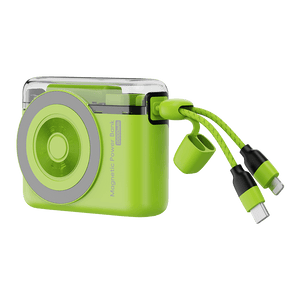
Our XYZtech Power Banks are available in 5,000mAh and 10,000mAh capacities and include both MagSafe-compatible wireless charging for cable-free convenience and wired charging for faster, more efficient top-ups when you need them most.
Whether you prefer snapping your phone onto a magnetic charger or plugging in for the quickest charge possible, having both options gives you a safe and flexible charging setup wherever you are.
Related Articles
What Is MagSafe Charging? Features and How It Works
MagSafe Charger Overheating: What’s Normal and When to Worry
MagSafe vs USB-C Charging: Which Should You Choose?
How to Keep A Phone Battery Healthy: Top 10 Battery Care Tips


