

Blackout Emergency Kit: Is Your Home Ready for a Power Outage?

In preparing a blackout emergency kit, a simple rule many follow is: one is none, two is one.
A phone that won’t charge. A room that’s suddenly too dark to move around safely. Food in the fridge that you’re not sure will last. One by one, these small disruptions build up until you’re forced to figure things out on the spot.
If someone in your home relies on medical devices, like a CPAP machine, or medications that need refrigeration, the situation becomes more urgent.
This is where a properly prepared blackout emergency kit makes a real difference. Having complete emergency supplies for power outage situations isn’t just about comfort; it’s about staying safe, maintaining routines, and avoiding preventable risks.
In this blog:
- Why a Blackout Emergency Kit Matters More Than You Think
- What to Do First Using Your Emergency Supplies for Power Outage
- Common Gaps in a Blackout Emergency Kit (And How to Fix Them)
- Blackout Emergency Kit Checklist: What to Prepare
- Building Emergency Supplies for Power Outage That Actually Work
- Smart Habits to Maintain Your Power Outage Supplies
- Safety Reminder: Using Generators Properly
- Dos and Don’ts During a Power Outage
- When to Seek Extra Help or Support
- Frequently Asked Questions
- Blackout Emergency Kit: A Final Look at What You Need in Place
Let’s get started!
Why a Blackout Emergency Kit Matters More Than You Think
Power outages don’t just turn off the lights. They interrupt daily systems you rely on without thinking, charging devices, preserving food, accessing water, and running essential equipment.
For example, if your internet provider only has limited backup power, you may lose connectivity even if your phone still works. If your freezer warms up, you risk losing days’ worth of food. If your home depends on electric pumps, even basic things like flushing a toilet can become difficult.
A well-prepared blackout emergency kit helps you stay ahead of these problems instead of reacting to them.
What to Do First Using Your Emergency Supplies for Power Outage
When the outage begins, your first actions shape how smoothly things go.
- First, check that everyone is safe and bring household members together. Use a flashlight immediately to prevent accidents, moving in the dark is one of the most common ways people get injured during outages.
- Then, bring out your emergency supplies for power outage use. Confirm your lights, batteries, and power banks are ready.
- Next, figure out if the outage is local or widespread. If needed, contact your power provider.
- At the same time, unplug sensitive electronics to protect them from damage when electricity returns.
- Keep your refrigerator and freezer closed. A fridge can stay cold for around 4 hours, and a freezer can last 24–48 hours if unopened. Opening doors too often speeds up food spoilage.
Common Gaps in a Blackout Emergency Kit (And How to Fix Them)
Even with a checklist, it’s easy to overlook the small details that cause the most stress during a real outage. Identifying these "hidden" gaps now allows you to troubleshoot your setup before the lights actually go out.
1. Overlooking Medical Needs Like CPAP and Refrigerated Medications
Some of the most serious issues happen when essential medical needs aren’t considered. Devices like CPAP machines rely on continuous power, while medications such as insulin require stable temperatures.
Without a backup, even a short outage can disrupt sleep, breathing support, or medication safety. Preparing ahead with backup batteries, portable power stations, or safe generator use helps prevent this. For temperature-sensitive medications, insulated storage and cooling plans are just as important.
2. Assuming One Power Source Is Enough
A common mistake is having just one of everything, one flashlight, one radio, or one power bank. In a crisis, items can fail, get misplaced, or be needed in different rooms at once.
A more reliable approach is to build layered backups, multiple power banks, a solar charger, flashlights, extra first aid supplies, or even a small generator. This ensures you always have at least one working option.
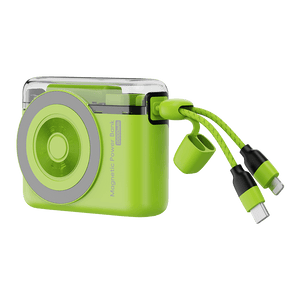
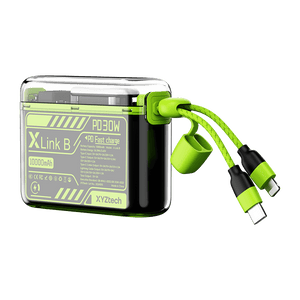
If you rely on smaller 5,000 or 10,000 mAh power banks, "layering" means having several charged and ready to rotate as they deplete. Storing these backups in separate locations ensures that one localized issue, like a leak or a misplaced bag, doesn't wipe out your entire kit.
A simple rule many follow is: one is none, two is one.
3. Not Planning for Cooking and Hot Food
When the power goes out, electric stoves and microwaves stop working. This means even if you have food, you may not be able to prepare it. This becomes especially frustrating during longer outages when cold meals become repetitive or insufficient.
Include ready-to-eat food, but also consider safe outdoor cooking options like a camping stove. Even something as simple as planning how to heat water for coffee or meals can make a big difference in comfort.
4. Underestimating Water Needs Beyond Drinking
Water is often prepared only for drinking, but outages affect more than that. You may need water for cleaning, cooking, and even flushing toilets. If your system depends on electricity, water flow may stop entirely.
Store enough water not just for hydration but also for basic hygiene and sanitation. Consider adding water filters or purification tablets as a longer-term backup.
5. Forgetting Food Storage Strategy During an Outage
Food preparation is one part, keeping it safe is another. Without planning, people often open the fridge too often or wait too long to transfer items, leading to waste.
Use coolers with ice or frozen water bottles to extend food life. If it’s cold outside, you can sometimes use shaded outdoor areas as temporary storage. Knowing these options ahead of time helps avoid unnecessary loss.
6. Forgetting How Daily Comfort Affects Stress
Power outages don’t just interrupt routines, they affect how people feel. Darkness, lack of entertainment, and discomfort can quickly increase stress, especially for children or during long outages.
Adding simple comfort items like blankets, books, or games helps maintain a sense of normalcy, making the situation easier to manage.
Blackout Emergency Kit Checklist: What to Prepare
A complete blackout emergency kit should support your household for at least 3 to 14 days. Use this checklist as a guide:
Lighting and Power
- Flashlights and headlamps (one per person if possible). Headlamps are especially useful because they keep your hands free for tasks like checking breakers, preparing food, or assisting others.
- Extra batteries (various sizes and stored separately). Batteries left inside devices can drain or corrode over time. Keeping extras stored separately ensures they’re still usable when you actually need them.
- LED lanterns for room lighting. Unlike flashlights that focus on one area, lanterns can light up an entire room. This makes them more practical for shared spaces like dining areas or bedrooms during extended outages.
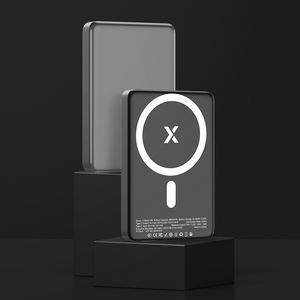
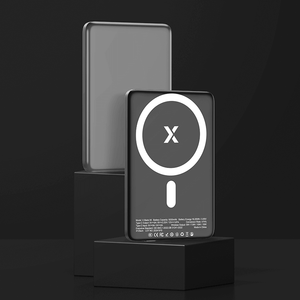
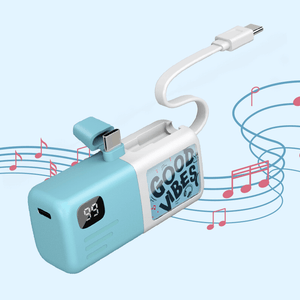
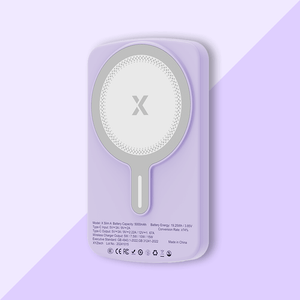
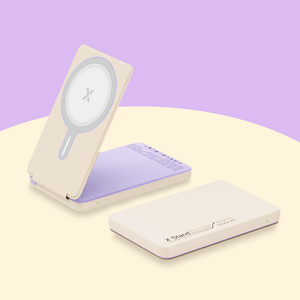
- Portable power banks (fully charged). Phones are your lifeline, but they drain fast. A compact 5,000 or 10,000 mAh power bank provides the 1–2 full charges needed to stay connected. For longer outages, assign 10,000 mAh units to those handling emergency coordination and 5,000 mAh units for essential check-ins.
- Solar or hand-crank chargers. These provide a backup when power banks run out. They’re especially useful during longer outages when there’s no access to electricity at all.
Communication and Safety
- Battery-powered or hand-crank radio. During extended outages, internet and mobile networks can fail or become unreliable. A radio often becomes the most dependable way to receive weather alerts and emergency updates.
- First aid kit with personal medications. Minor injuries can happen more easily in the dark, and access to pharmacies may be limited. Having both general supplies and personal medications ensures you’re prepared for common health needs.
- Whistle for emergencies. A whistle can help you signal for assistance if needed, especially in situations where shouting may not be effective or safe.
- Backup pair of eyeglasses. If your main pair gets damaged, even simple tasks can become difficult or unsafe. A backup ensures you can still move around and function normally.
- Printed emergency contacts. If your phone battery dies or networks go down, having key numbers written down ensures you can still reach important contacts.
- Walkie-talkies (optional). These are helpful if cellular networks are unavailable or overloaded. They allow communication between family members or nearby areas without relying on phone signals.
Food and Water
- Water (at least 1 gallon per person per day). Water is not only for drinking, it’s also needed for cooking, cleaning, and basic sanitation. Without enough, daily routines quickly become difficult.
- Non-perishable food (canned goods, ready-to-eat meals). Since cooking options may be limited, having food that doesn’t require refrigeration or preparation helps you stay nourished without relying on electricity.
- Manual can opener. Canned food is a staple in emergencies, but without a manual opener, it becomes unusable. This is one of the most commonly overlooked items.
- Cooler with ice or frozen containers. Once the fridge warms up, transferring food to a cooler can extend its shelf life and reduce waste.
- Outdoor-safe cooking method (camp stove). Electric stoves won’t work during outages. Having a safe way to heat food or boil water improves both comfort and nutrition, especially during longer disruptions.
- Families with children may need formula, diapers, or comfort items. Elderly members may require medications or mobility support. Pets also need food, water, and supplies.
Planning for these needs ensures your kit truly supports everyone in your household.
Comfort and Practical Tools
- Cash (small bills). During outages, card machines and ATMs often stop working. Cash becomes the only reliable way to purchase essentials like food, water, or fuel.
- Blankets and warm clothing. Without heating systems, indoor temperatures can drop quickly. Staying warm becomes essential for comfort and safety, especially overnight.
- Multipurpose tool or knife. These are useful for a variety of small tasks, from opening packaging to making quick fixes around the house.
- Sanitation supplies (wipes, garbage bags, toilet paper). If water systems are affected, maintaining hygiene becomes more challenging. These items help prevent discomfort and health issues.
- Local map for navigation. GPS and mobile data may not always be reliable during outages. A physical map ensures you can still navigate if needed.
Building Emergency Supplies for Power Outage That Actually Work
A practical blackout emergency kit isn’t just about what you store; it’s how you prepare for different situations.
- Some households rely on everyday items they rotate regularly, like canned food, bottled water, and power banks. This keeps supplies fresh and easy to manage.
- Others keep long-lasting emergency items stored for rare situations, such as freeze-dried meals, mylar blankets, or water purification tablets. These require less maintenance but may not be used often.
Combining both approaches works best. Everyday items help with short outages, while long-lasting supplies provide backup for extended or unexpected situations.
It also helps to think in terms of reliability. Keeping duplicates of essential items, like lighting, water storage, and charging options, ensures you’re prepared even if something fails.
Smart Habits to Maintain Your Power Outage Supplies
Once your kit is ready, keeping it updated is just as important.
Check your supplies every six months. Replace expired food, test batteries, and recharge power banks. If you rely on medications, make sure they are current and stored properly.
You can also prepare ahead by:
- Keeping your car fuel tank at least half full
- Freezing containers of water to extend freezer cooling
- Downloading offline maps and saving emergency contacts
- Using surge protectors to protect electronics
These small habits make your power outage supplies more reliable when needed.
Safety Reminder: Using Generators Properly
Generators can support essential devices like refrigerators or medical equipment, but they must be used carefully.
Never operate a generator indoors or in enclosed areas. Carbon monoxide can build up quickly and become life-threatening.
Always place generators outdoors, far from doors and windows, and practice using them before an emergency.
Dos and Don’ts During a Power Outage
Do's:
- Use flashlights instead of candles
- Keep refrigerator and freezer doors closed
- Unplug electronics to prevent surge damage
- Check on family and neighbors
- Use generators outdoors only
Don’ts:
- Run generators indoors or in enclosed spaces
- Open the fridge frequently
- Rely on a single light source
- Wait until an outage happens to prepare
- Forget to restock used supplies
When to Seek Extra Help or Support
If the outage becomes extended or affects essential needs like medical care or food supply, seek help early.
Contact your utility provider for updates. Reach out to local services or community centers if needed. If health concerns arise, prioritize professional assistance, especially for vulnerable individuals.
Frequently Asked Questions
What to pack for a blackout?
A well-prepared kit should include reliable lighting, a battery-powered radio, necessary medications, and enough water and ready-to-eat food for several days. It also helps to store emergency contacts in printed form and keep a portable charger available. If you have children or pets, include items that meet their daily needs as well.
What to do during a power outage at night
Focus on visibility and safety by using battery-powered lights rather than open flames. Try to keep refrigerator and freezer doors closed to maintain food temperature as long as possible. It’s also a good idea to unplug sensitive electronics and check that everyone in the household is safe.
Can I flush the toilet if the power is out?
In many homes, flushing still works because it relies on gravity rather than electricity. However, water availability may become limited during longer outages. If the tank doesn’t refill, you can manually add water into the bowl to trigger a flush.
Will my toilet overflow without power?
This depends on the type of plumbing system your home uses. Gravity-based systems usually continue working without electricity, so issues are less likely. However, homes that rely on electric pumps may experience problems if the outage continues.
Blackout Emergency Kit: A Final Look at What You Need in Place
A blackout emergency kit is not just about preparing for inconvenience; it’s about making sure your household can stay safe, connected, and functional when power is suddenly gone. From lighting and communication to food, water, and medical support, each part of your setup plays a role in preventing avoidable stress during outages.
When you already have reliable emergency supplies for power outage situations in place, you’re not reacting in the dark; you’re following a plan that protects your daily routine and your family’s safety.
Key Takeaways
- Prepare enough food and water for at least 3–14 days
- Always have layered backup lighting and power sources
- Don’t overlook medical needs, pets, and daily essentials
- Keep both everyday-use items and long-lasting emergency supplies
- Review and refresh your kit regularly, not just once
Preparedness doesn’t have to be complicated; it just has to be complete enough to work when you actually need it.
Explore more practical guides on building reliable home backup systems and emergency readiness strategies before the next blackout hits.
Related Article
Energy Crisis Prep: Stay Powered with Backup & Smart Tips
How Long Do Power Banks Last: The Truth About mAh | XYZtech
How to Make Your Phone Battery Last Longer: Battery-Saving Tips


